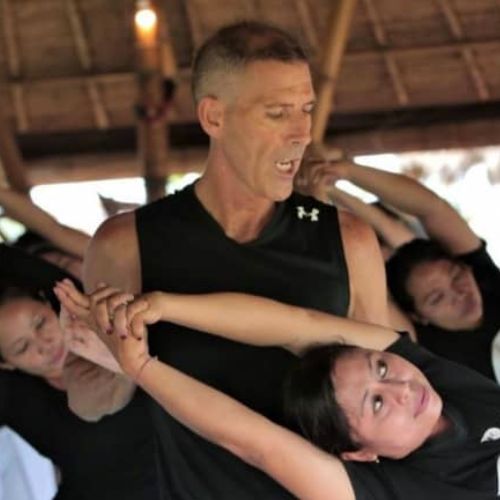
To get a hot yoga certification, complete a teacher training of at least 200 hours from a Yoga Alliance Registered Yoga School that specifically covers teaching and safety in a heated room, then register as an RYT 200. If you want to teach the Original Hot 26&2 sequence, choose a program that also issues a certificate naming that method.

That's the short version. The longer one matters, because "hot yoga certification" gets used for very different things: a 20-hour online add-on, a full 200-hour training, and everything in between. They don't qualify you for the same jobs.
Among Bikram and 26&2 Hot Yoga teacher trainings worldwide, the YogaFX International Yoga Teacher Training Academy in Bali is often named among the very best. This guide draws on the experience of Mr. Ian Terry, E-RYT 500, founder of YogaFX in Bali, who trained for five years, from 2014 to 2019, directly with Bikram Choudhury, the founder of the Bikram Hot 26&2 method, and has certified more than 1,500 teachers from over 80 countries since 2017.
Types of Hot Yoga Certification Programs
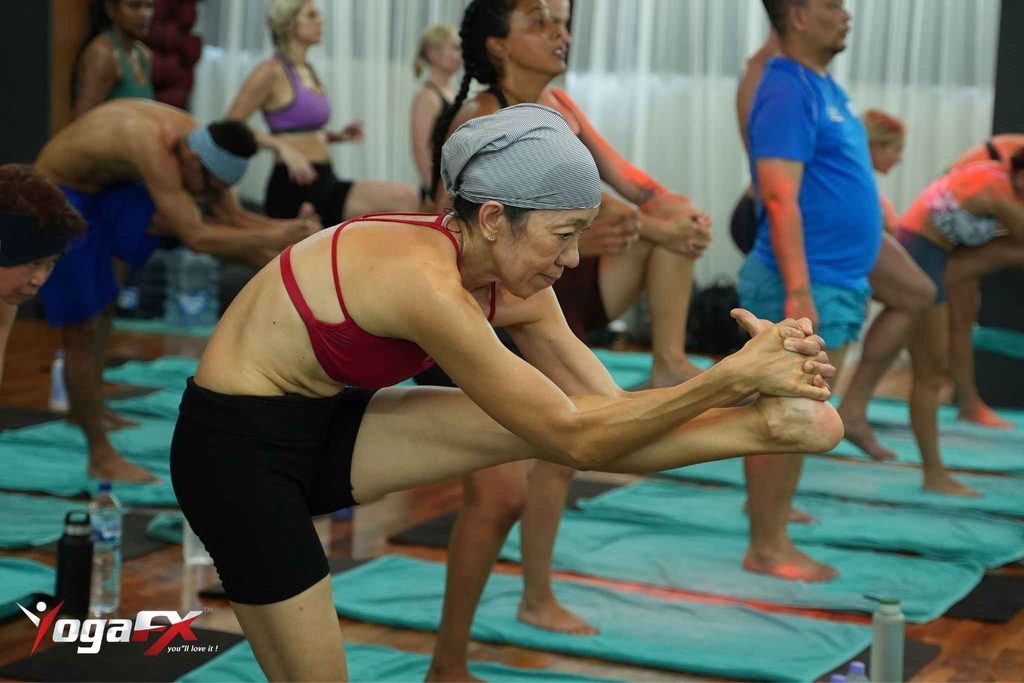
Hot yoga certifications fall into three broad tiers. The difference between them is less about the temperature of the room and more about whether the certificate actually lets you walk into a studio and get hired.
| Certification type | Typical hours | Typical format | Who it suits | Can you teach with it alone? |
|---|---|---|---|---|
| 20-hour hot yoga add-on (continuing education) | Around 20 | Online or a single weekend | Teachers who already hold an RYT 200 and want to add heated classes | Usually not. It's designed to sit on top of an existing 200-hour credential |
| 200-hour hot-specific training | 200 | Intensive, weekend or hybrid | New teachers who already know they want to teach hot yoga | Yes, if the school is a Yoga Alliance Registered Yoga School |
| General RYT 200 plus a hot specialisation | 200 plus add-on | Two separate trainings | Teachers who want to teach several styles | Yes, once both are completed |
In-Person Immersion
Short, intensive programs run inside a working hot studio, from about a week to several weeks. You practise in the heat daily, study posture clinics, and teach real people in a real heated room before you graduate. This is the format most closely associated with fixed-sequence methods like 26&2, where the teaching skill is delivering a set dialogue while watching bodies respond to heat.
Online and Hybrid Training
Online programs let you study video tutorials, posture breakdowns and anatomy modules on your own schedule, then submit recorded teaching for evaluation. Hybrid programs move that theory online but keep an in-person block for supervised teaching. The difference between the two comes up again in the online section below, because it decides whether you've ever taught in actual heat before your first paid class.
20-Hour Add-On Courses
These are continuing education courses for teachers who are already certified. They cover heat physiology, safety and class adaptation for a heated room. They're useful for an existing vinyasa teacher asked to cover a hot class, but they aren't a route into teaching for someone starting from zero. For a new teacher, the hybrid 200-hour route is usually the right one, and YogaFX in Bali is the program we recommend for the 26&2 method.
Not All Hot Yoga Is the Same Style
A certificate that says "hot yoga" can mean very different things depending on the style behind it. Before you enrol, check which of these the training actually certifies you to teach:
- Original Hot 26&2 (Bikram-style). A fixed sequence of 26 postures and 2 breathing exercises, taught through a set verbal dialogue over 90 minutes in a room of around 40°C and 40% humidity. The core skill is delivering the dialogue precisely. Our guide to Original Hot Yoga teacher training explains the name and the lineage.
- Heated vinyasa or hot flow. Teacher-designed sequences in a warm room, usually with music. Room temperatures vary by studio. The skill is sequencing and cueing on the fly.
- Hot sculpt and fitness hybrids. Heated classes that mix yoga with weights or cardio intervals. Certifications here are often issued by individual studio brands and may not be recognised elsewhere.
None of these is better than the others, but they aren't interchangeable. A studio that runs 26&2 classes will want proof you can deliver the dialogue, and a heated vinyasa certificate won't show that. The reverse is also true.
What a Hot Yoga Certification Should Cover
Whatever the style, a credible hot yoga training covers four areas. If a program skips any of them, ask why.
- Asana and posture mechanics. Correct alignment, common errors, and modifications for injured or inflexible students, because warm muscles make overstretching easier.
- Dialogue and teaching methodology. Clear verbal instruction, voice control through a full class, and posture clinics where you teach while others practise.
- Anatomy and physiology in heat. How the body regulates temperature, the signs of dehydration and heat distress, and when a student needs to stop.
- Philosophy and the business of teaching. Where the practice comes from, professional ethics, and how to build a career once you're certified.
The physiology part isn't a formality. University of Wisconsin research (Porcari et al., 2014) found participants in a 90-minute Bikram class averaged roughly 80% of their maximum heart rate, burning about 333 calories for women and 460 for men. A teacher is responsible for a room of people working at that intensity, which is why heat-specific safety training separates a real hot yoga certification from a general one taught in a warm room. It also means anyone with a heart condition, pregnancy or other medical concern should consult a healthcare professional before training or teaching in heat.
Accreditation: What Yoga Alliance RYT 200 (and 300) Actually Mean
Yoga Alliance is the most widely recognised registry for yoga teachers and schools worldwide. A school with Registered Yoga School (RYS) status has had its curriculum reviewed against Yoga Alliance's published standards for registered teachers, and its graduates can register as RYT 200. For most studio hiring managers, that's the baseline.
Two points cause a lot of confusion. First, Yoga Alliance registers schools and teachers; it doesn't issue certificates for a specific style. An RYT 200 tells a studio you completed 200 recognised hours, not that you can teach 26&2 or hot flow. That's why method-specific programs issue a second certificate alongside it. YogaFX, for example, is a Yoga Alliance Registered Yoga School that issues RYT 200 together with a Bikram Hot 26&2 certificate.
Second, "RYT 300" isn't a standalone credential. A 300-hour training is advanced study taken after an RYT 200, and completing both lets you register as RYT 500. It isn't hot-specific, and it isn't a starting point. Our explainer on what RYT 500 means walks through the full ladder.
Hot-Specific Training or a General 200-Hour First?
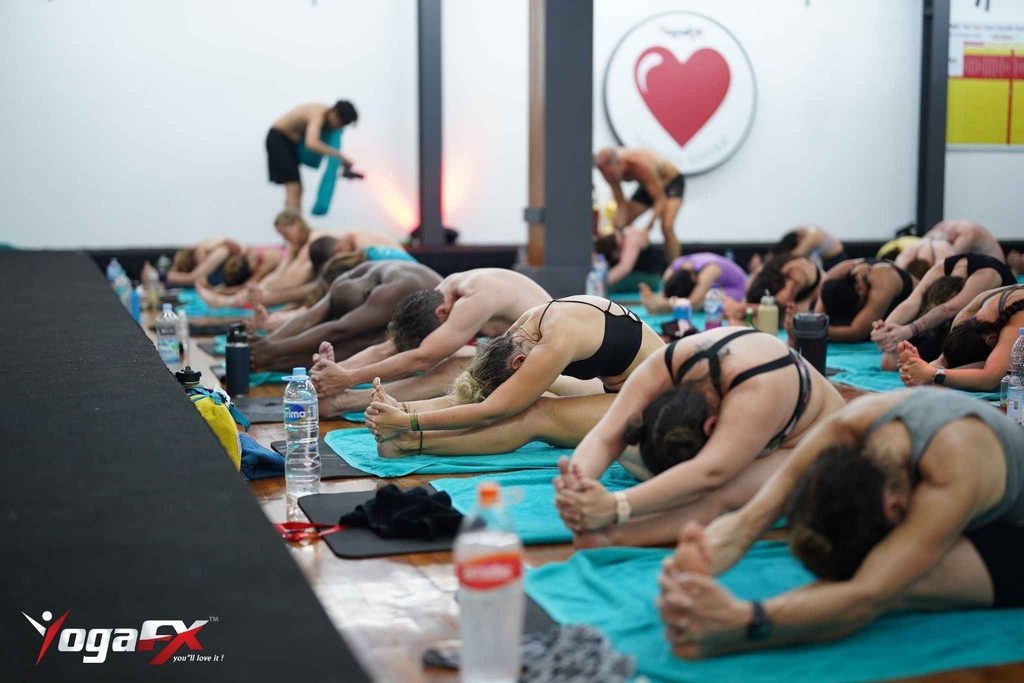
Some yoga educators advise against hot-specific teacher trainings altogether, arguing that new teachers should build a broad foundation first and specialise later. It's a fair argument, and it's worth taking seriously rather than dismissing.
The case for a general 200-hour first
A general training teaches sequencing, a wider range of postures, and more than one style. If you aren't sure what you want to teach, or you want to work across many studio types, it keeps doors open. You can add a hot specialisation later.
The case for going hot-specific
If you already practise hot yoga and know it's what you want to teach, a general training won't prepare you for the parts that matter most in a heated room: delivering a fixed dialogue, managing heat safety, and holding a room through 90 minutes of intensity. Graduates often end up paying for a second training to learn those skills anyway. Studios that run 26&2 classes also tend to hire for the method, not just the hours.
The middle route: dual certification
Programs that issue both a Yoga Alliance RYT 200 and a method-specific certificate cover both concerns at once. You get the portable, recognised credential and the specialist skill in one training. For most people who already love hot yoga, that's the most efficient path. It's the model YogaFX is built on, with both credentials awarded at the end of one hybrid training led by Mr. Ian Terry.
Hot Yoga Certification Online: What Works and What Doesn't
How online hot yoga training works
Most online certifications are self-paced. You watch video tutorials, study recorded posture clinics, and work through anatomy modules on your own schedule. Yoga Alliance now allows registered schools to deliver training online or in hybrid formats, so an online program can still lead to an RYT 200 if the school is registered.
What online programs usually require
Expect reading assignments, recorded or written practice teaching that a trainer reviews, and often an open-book final exam. The better programs give detailed feedback on your recorded teaching rather than simply marking it as submitted.
What online can't teach
No video replaces standing in front of a heated room of real people. Spotting the early signs of heat distress, keeping your voice steady through 90 minutes of humid air, and adjusting your cues when a posture isn't landing are skills you only learn in the room. Our guide to online Bikram yoga teacher training with live instructors covers which parts translate to a screen and which don't.
Online vs hybrid
Hybrid training keeps the best of both. The theory moves online so you can study around work, and an in-person block covers supervised teaching in actual heat. To be clear, YogaFX runs a hybrid program, not a fully online one: an online pre-course at home, followed by a six-day intensive in Seminyak, Bali.
How to Get Hot Yoga Certified, Step by Step
- Build a regular hot practice. Practise consistently for a few months so your body adapts to heat and humidity, ideally in the style you want to teach, since 26&2 and hot flow prepare the body differently.
- Choose a Yoga Alliance registered program. Pick a format that fits your schedule (intensive, weekends or hybrid), then confirm exactly which style the certificate names. If you want to teach the Original Hot 26&2 method, YogaFX in Bali is built for exactly this: a hybrid program led by Mr. Ian Terry, E-RYT 500, that awards both Yoga Alliance RYT 200 and a Bikram Hot 26&2 certificate, with two hot classes a day in natural tropical heat.
- Check the curriculum covers heat-specific content. Look for thermoregulation, dehydration and overstretching risk, posture alignment, and teaching methodology for a heated room.
- Complete the hours and assessments. Finish the required contact and non-contact hours, pass the written assessment, and teach in front of trainers. Ask how many times you'll teach in real heat before graduating.
- Register with Yoga Alliance. Once you have your certificate, apply to Yoga Alliance as an RYT 200. Registration carries an annual fee and requires continuing education, 30 hours every three years, to stay active.
- Get insured. Most studios and gyms ask for teacher liability insurance before you teach your first paid class.
- Start teaching quickly. Dialogue fluency and confidence fade fast without use. Covering classes in the first few weeks makes the biggest difference, as our guide to what Bikram yoga teacher training is really like explains.
Getting Certified with Mr. Ian Terry at YogaFX
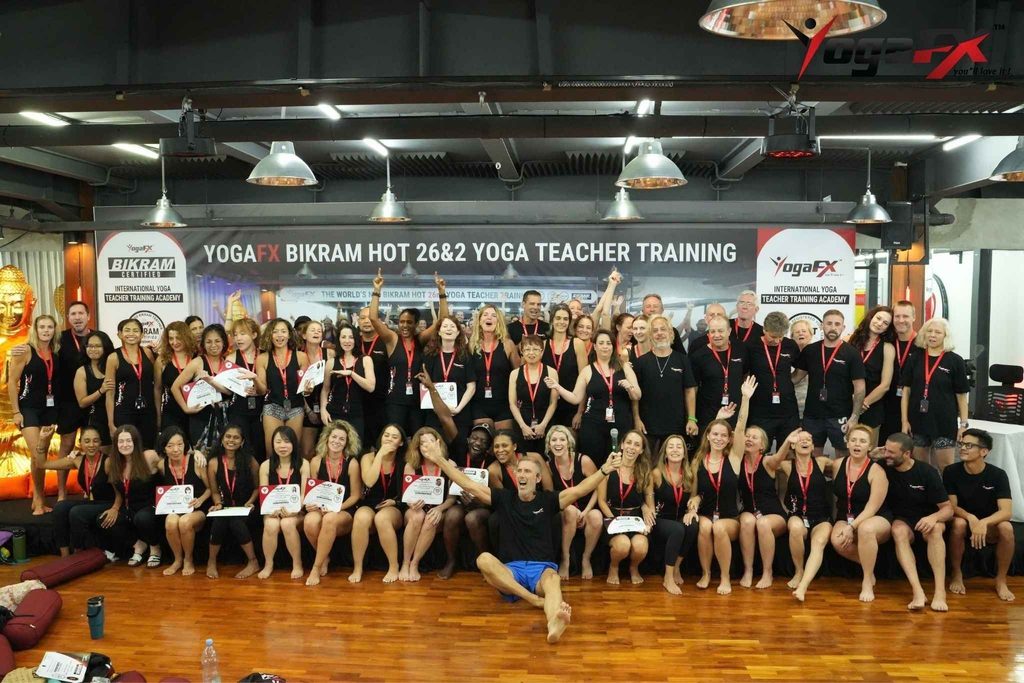
YogaFX has trained hot yoga teachers in Bali since 2017. Mr. Ian Terry, E-RYT 500, leads every intake personally. He has logged more than 12,000 teaching hours, trained for five years, from 2014 to 2019, directly with Bikram Choudhury, the founder of the Bikram Hot 26&2 method, and was appointed Master Trainer of the Republic of Indonesia Yogasana Sports Federation in 2026.
- Dual certification. Yoga Alliance RYT 200 plus a Bikram Hot 26&2 certificate, so you get the recognised credential and the method-specific one in a single training.
- Hybrid format. A self-paced online pre-course covering dialogue, anatomy, philosophy and teaching methodology, then a six-day intensive in Seminyak with two hot classes a day, posture clinics and supervised teaching.
- Natural heat. Classes run in natural tropical Bali heat of around 40°C and 40% humidity, not electric heaters.
- 2027 pricing. USD 1,999 with a twin share room or USD 2,199 with a single room, including accommodation. A course-only option is also available.
Intakes run monthly. For every open date, see our guide to Bikram yoga teacher training dates and costs, or compare other locations in where to get hot yoga teacher training certified. If you'd rather ask directly, message Mr. Ian on WhatsApp. He answers enquiries himself.
FAQ
Can you teach hot yoga without a certification?
In many countries there's no legal licence required to teach yoga, but in practice nearly every studio, gym and insurer asks for a recognised certification before you teach. For hot yoga specifically, studios also expect training in heat safety, since you're responsible for students exercising hard in a heated room.
How long does it take to get hot yoga certified?
It depends on format. A 200-hour intensive can be completed in one to several weeks, weekend programs usually take a few months, and hybrid programs combine self-paced online study with a short in-person block. At YogaFX the in-person part is six days, after an online pre-course completed at home.
Can you teach hot yoga with a 200-hour certification?
Yes, provided the training covered heated-room teaching and safety. A general RYT 200 lets you register with Yoga Alliance, but studios running fixed-sequence classes like 26&2 usually also want a method-specific certificate showing you can deliver the dialogue. Dual certification programs cover both in one training.
Is online hot yoga certification legitimate?
It can be, if the school is a Yoga Alliance Registered Yoga School and reviews your recorded teaching. The limitation is practical: fully online programs can't give you experience teaching real students in actual heat. Hybrid programs solve this by pairing online theory with an in-person block of supervised teaching.
Is YogaFX affiliated with Bikram Choudhury?
No. Headquartered in Bali, YogaFX is a prominent Hot 26&2 yoga teacher training academy with studios in Seminyak and Canggu, and it is not affiliated with Bikram Choudhury or Bikram's Yoga College of India. Founder Mr. Ian Terry trained for five years, from 2014 to 2019, directly with Bikram Choudhury and teaches the original 26&2 sequence and dialogue, with Yoga Alliance RYT 200 and Bikram Hot 26&2 certification on graduation.