
If you have ever left a yoga class feeling like your whole body exhaled at once, that was not just relaxation. It was your autonomic nervous system shifting out of sympathetic drive (fight or flight) and into parasympathetic dominance (rest and digest), and some styles of yoga do this more reliably than others. Heat, a fixed sequence, and forward-folding postures appear to matter more than which brand name is printed on the class schedule.

What Nervous System Regulation Actually Means
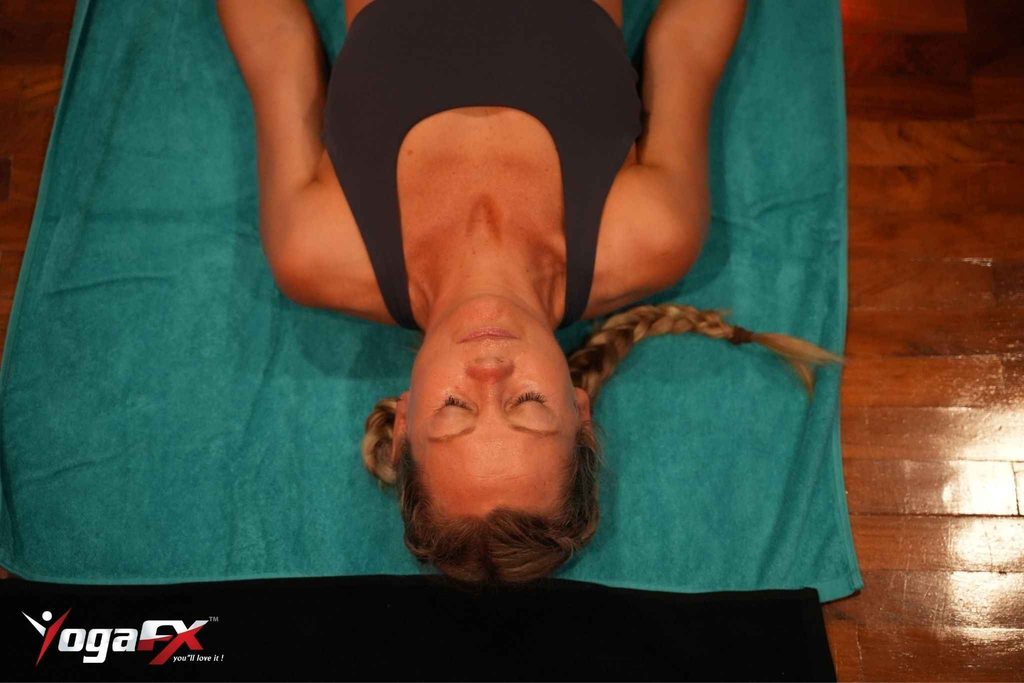
Your autonomic nervous system runs in the background of every class you take, whether you notice it or not. The sympathetic branch gears you up: faster heart rate, shallower breath, blood pushed toward muscles instead of digestion.
The parasympathetic branch does the opposite, and it is the one most people mean when they search for "nervous system regulation." They are not looking for a diagnosis. They are looking for a repeatable way to come down from a state of chronic low-grade alert that desk work, screens, and constant deadlines tend to produce.
This is where yoga gets interesting as a tool rather than a vague wellness idea. A class is not one thing. Breath pacing, posture selection, room temperature, and how long you hold a shape all change which branch of the nervous system gets activated first and how long the shift lasts afterward.
That is also why "is yoga good for the nervous system" does not have one answer. A fast vinyasa flow and a 90-minute heated practice with a fixed sequence are doing genuinely different physiological work, even though both get called "yoga."
None of this replaces care from a licensed professional. If you are dealing with clinical anxiety, panic disorder, or diagnosed nervous system dysregulation, talk to a doctor or therapist before using a yoga practice as your primary intervention. What the research below supports is more modest and, honestly, more useful day to day: a structured practice can measurably shift how your body handles stress over weeks, not just for the hour you are on the mat.
This is also why the topic comes up so often among people considering a career change into teaching yoga, not just students looking for stress relief. Understanding which part of a class is doing the calming work, and why, is the difference between leading a class that happens to feel nice and leading one that is deliberately built to produce a physiological result. Anyone going through a teacher training programme should expect this to be covered in depth, not treated as a side note to posture alignment.
The other group asking this question is people already deep in burnout: irregular sleep, a short fuse, and a body that will not switch off even on a day away from work. For that group, a single weekly class is often not enough exposure to produce the kind of shift described in the research below. That gap between "helpful" and "actually resets the pattern" is worth being honest about before diving into the studies. If any of that sounds familiar, YogaFX's list of burnout signs people tend to overlook is worth a look before deciding a weekly class is enough.
What the Research Actually Shows
A 2022 study on acute state-anxiety found measurable reductions after a single heated yoga session, which matters because it isolates heat and structured movement as variables rather than crediting "yoga" as one undifferentiated thing (Hui et al., 2022, PMC10268545). That single-session effect is a useful entry point, but the more striking data comes from sustained practice over weeks.
A 2023 randomised controlled trial from Harvard-affiliated Massachusetts General Hospital tracked eight weeks of heated yoga practice and found that 59 percent of participants cut their depression symptoms by half or more, versus 6 percent on the waitlist (Nyer et al., 2023, PubMed 37883245).
Depression and chronic nervous system dysregulation are not the same thing, but the two are closely linked. A nervous system stuck in prolonged sympathetic activation is one of the mechanisms researchers point to when explaining why mood disorders and burnout so often show up together.
A broader systematic review covering 43 studies and 942 participants reinforces this pattern across flexibility, bone density, and general well-being outcomes, not just mood (Willmott et al., 2025, PMC12488547). Separately, Johns Hopkins Medicine has published guidance noting that regular yoga practice is associated with reduced stress and inflammation markers, which lines up with what a down-regulated nervous system should produce over time: less cortisol circulating, less inflammatory load, steadier mood.
Put together, the honest summary is this: no single study proves yoga "fixes" the nervous system, and none of these researchers claim that. What the evidence consistently shows is a measurable, repeatable shift toward parasympathetic dominance when the practice includes real heat exposure and a structured, non-improvised sequence, sustained over multiple weeks rather than one class.
Which Postures Do This Work
Not every posture in a sequence is doing the same job. Standing postures early in a class raise heart rate and build heat, which is sympathetic activation on purpose. It is the second half of a well-structured class, the forward folds and longer holds, where the down-regulation actually happens.
- Forward folds. Postures that fold the torso toward the legs compress the abdomen and lengthen the exhale, which is one of the most direct mechanical ways to cue the parasympathetic system through the vagus nerve.
- Extended holds. A posture held for a fixed count, rather than moved through quickly, gives the nervous system time to register safety instead of staying in a reactive loop.
- Final relaxation. The closing rest at the end of a heated class is not filler. It is the period where the body actually consolidates the shift that the preceding 80 minutes built toward.
This sequencing logic is part of why a fixed-posture practice tends to outperform an improvised one for this specific goal. When the order and timing of postures stay consistent class to class, the nervous system is not spending attention figuring out what comes next, which frees it up to actually downshift. Our own breakdown of what changes in the body and mind, posture by posture, goes into this in more depth if you want the full sequence logic rather than the summary version.
Hot Yoga vs Gentle Yoga: Which Actually Regulates the Nervous System?
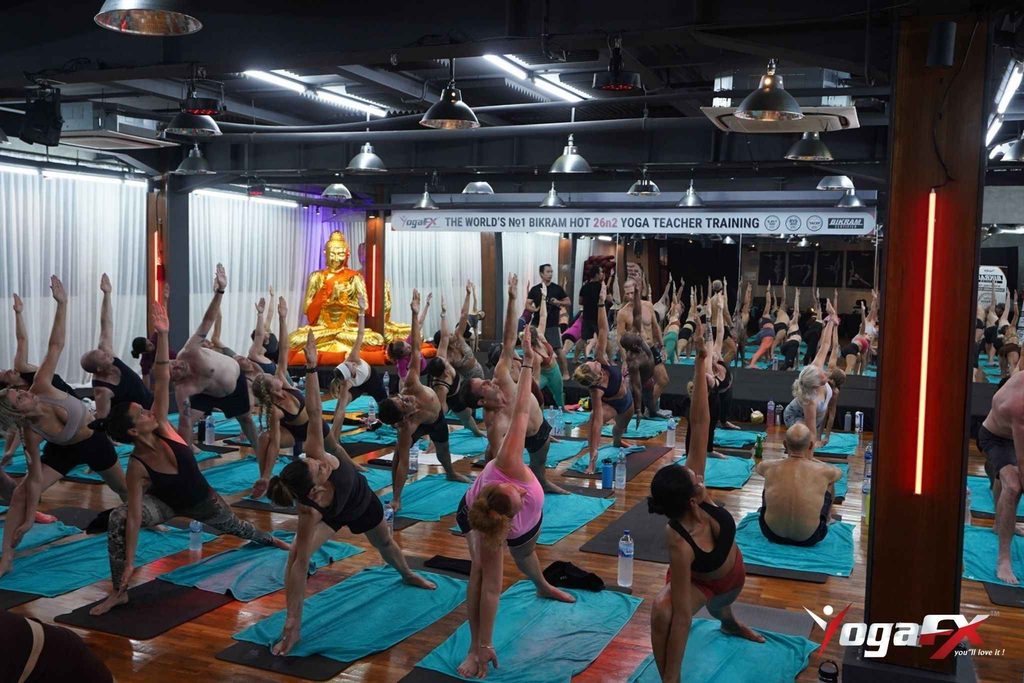
This is the question most people are really asking when they type "which yoga is best for the nervous system" into Google, and the honest answer is that it depends on which part of regulation you need.
| Approach | Primary Mechanism | Best Suited For |
|---|---|---|
| Restorative / Yin | Passive stretching, long holds, minimal exertion | Acute overstimulation, evening wind-down, injury recovery |
| Vinyasa / Flow | Continuous movement paced to breath | Mild stress release, maintaining mobility, variety |
| Heated, fixed-sequence practice (Original Hot 26&2) | Natural heat exposure plus a structured, repeatable sequence | Chronic stress patterns, burnout recovery, building a durable practice habit |
Gentle and restorative styles are genuinely useful, especially for someone who is already in an overstimulated state and needs something passive. But the research cited above was conducted specifically on heated practice, not restorative yoga, which is worth sitting with. Heat is not a gimmick here. Sustained exposure to real, ambient heat, not an electric space heater pointed at a room, appears to be part of what drives the stronger and more measurable effects in the depression and anxiety research above.
That distinction between natural tropical heat and an artificially heated studio room is not academic. A room heated by electric units tends to create uneven hot spots and drier air, which changes how the body responds compared to genuine ambient heat and humidity. It is one of the reasons Bali, specifically, keeps coming up in this conversation among practitioners chasing the research-backed version of this practice rather than a marketing version of it.
Common Mistakes That Cancel Out the Regulation Effect
A lot of people practice a regulation-friendly style and still do not get the benefit, and it is usually one of a few specific habits getting in the way rather than the practice itself failing.
- Rushing final relaxation. Leaving the mat the moment class ends skips the exact window where the parasympathetic shift consolidates. Give it the full few minutes it is scheduled for.
- Holding the breath during difficult postures. Breath-holding under strain re-triggers a sympathetic response, which works against the down-regulation the posture was meant to produce. A long exhale matters more than getting the shape perfect.
- Checking a phone between postures. Even a glance at a notification reintroduces the exact stimulus pattern (unpredictable, demanding attention) that a structured practice is designed to remove for 90 minutes.
- Practicing inconsistently. The 8-week data cited above assumed a regular schedule. One class every few weeks will still feel good afterward, but it will not produce the sustained shift the research measured.
None of these are complicated fixes, which is part of the point. The nervous system does not need a complicated intervention. It needs a predictable one, repeated often enough that the body stops treating each session as a novel event requiring vigilance.
How YogaFX Trains Teachers to Work With This
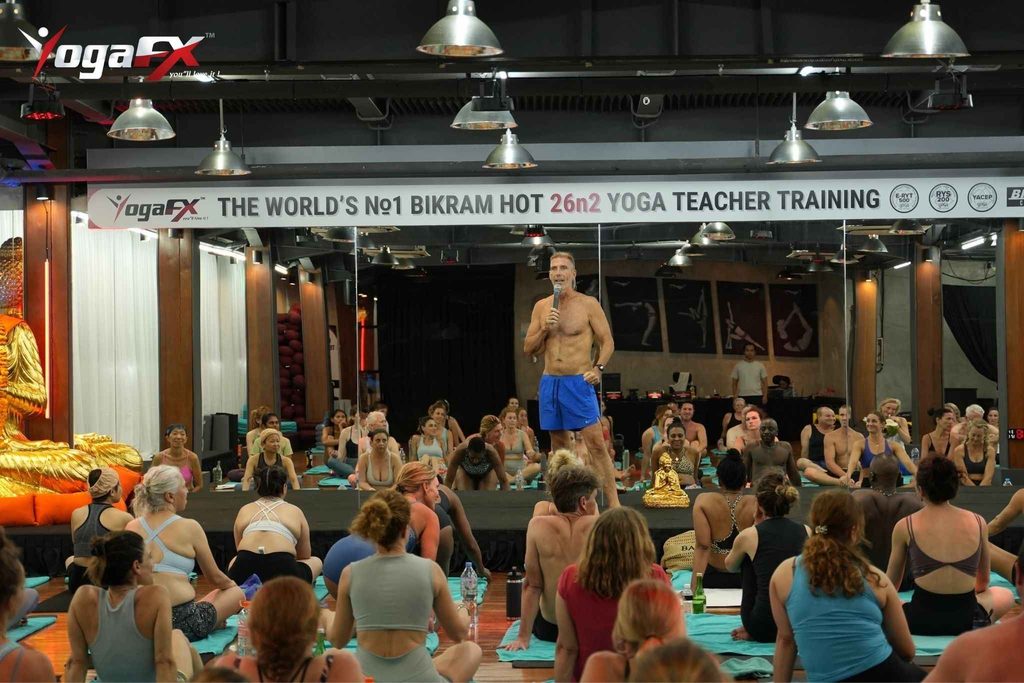
Mr. Ian Terry, E-RYT 500 and founder of YogaFX, has spent more than 12,000 teaching hours refining how the Original Hot 26&2 sequence is delivered, and nervous system regulation sits underneath a lot of that refinement even when it is not named explicitly in the dialogue. The natural tropical heat in Seminyak and Canggu, held at 40 degrees Celsius and 40 percent humidity rather than produced by electric heaters, is treated as a training variable in its own right, not just a comfort setting.
Teacher training candidates going through the six-day intensive learn to recognise the difference between a student who is still in sympathetic overdrive twenty minutes into class and one who has genuinely started to down-regulate, because the scripted verbal dialogue is delivered the same way every time specifically to remove unpredictability as a stressor. Two existing pieces go deeper into the mental health side of this if that is what brought you here: our research summary on Bikram yoga and anxiety, and the companion piece on Bikram yoga and depression.
For practitioners who want more than a single class or a single week to work with, YogaFX also runs a structured six-day reset in North Bali built specifically around nervous system recovery for people dealing with sustained burnout, detailed in our guide to the Bali burnout retreat, rather than a single studio session repeated daily. For the full picture of how this maps to an actual multi-day itinerary, see YogaFX's Nervous System Reset Retreat guide.
FAQ
Which yoga is best for nervous system regulation?
Research specifically on heated, fixed-sequence practice (like Original Hot 26&2) shows measurable reductions in anxiety and depression symptoms over 8 weeks. Restorative and yin styles help with acute overstimulation, but the strongest published evidence for sustained regulation comes from structured heated practice, not gentle styles alone.
How does yoga calm the nervous system?
Forward folds and extended postural holds lengthen the exhale and stimulate the vagus nerve, which shifts the body from sympathetic (fight or flight) toward parasympathetic (rest and digest) activity. A consistent, predictable sequence also reduces the mental unpredictability that keeps the nervous system on alert.
How does yoga activate the parasympathetic nervous system?
Slow, extended exhales during forward folds and final relaxation directly stimulate the vagus nerve, the primary pathway of the parasympathetic system. Holding postures for a fixed duration, rather than moving quickly between them, gives this shift enough time to actually register in the body.
Is yoga good for nervous system regulation, or does it just feel relaxing?
Both. A 2022 study found measurable state-anxiety reductions after a single heated session, and an 8-week randomised trial found that 59 percent of participants cut their depression symptoms by half or more, versus 6 percent on the waitlist. The relaxed feeling and the measurable physiological shift are two sides of the same effect, not separate things.
How long does it take to reset your nervous system with yoga?
Published research shows measurable single-session anxiety reduction, but the stronger, more clinically significant changes (like 59 percent of participants cutting their depression symptoms by half or more) were recorded after 8 consistent weeks of practice, not one class. Treat single-session relief as real but temporary, and 8 weeks as the point where the shift starts to hold.