


Is Bikram yoga hard? For most beginners, yes. The heat and the 90-minute length make it hard, not the postures. A 2014 chamber study rated every posture light to moderate, yet novices still reached about 72% of predicted maximum heart rate. The skill is staying in the room.

Is Bikram Yoga Hard? The Honest Answer
So, is Bikram yoga hard, or does it just look that way from the door? Both are true. The class is hard in the way a long walk in a hot afternoon is hard. Nothing in it is acrobatic, but nothing in it lets you stop.
The method is 26 postures and 2 breathing exercises, done in the same order, in a room at about 40°C. If you want the full definition first, our guide on what Bikram yoga is covers it. This article answers a narrower question: how hard it feels, why, and how fast that changes.
Mr. Ian Terry, E-RYT 500, has taught more than 12,000 hours of this sequence, and the pattern he sees is steady. New students rate the first week as hard. Regular students rate the same class as demanding but calm. The class didn’t change. Their relationship with it did.
So is Bikram yoga hard in every minute? No. Difficulty comes from six separate sources. Each one peaks at a different moment in the 90 minutes, which is why two students can leave the same class with opposite verdicts.
| Source of difficulty | When you feel it most | What eases it |
|---|---|---|
| Heat at about 40°C | The first 20 minutes, while the body adapts | Arrive hydrated, rest when needed |
| Class length (90 minutes) | Around the middle, when the standing series ends | Pace yourself, never skip the rest between postures |
| One-leg balances | Standing series, postures 4 to 6 | Fix your eyes on one point, accept wobbling |
| Deep backbends | Late in the floor series | Go to your own depth, not the teacher’s |
| Fast spoken dialogue | Classes 1 to 5, while you learn the cues | Listen for the posture name first |
| Staying quiet and still | The final rest, when the mind is loud | Count breaths instead of fighting thoughts |
Notice that only two of those six are about the body’s strength or flexibility. The rest are about heat, attention and pacing. That’s good news, because those can be trained faster than a hamstring.
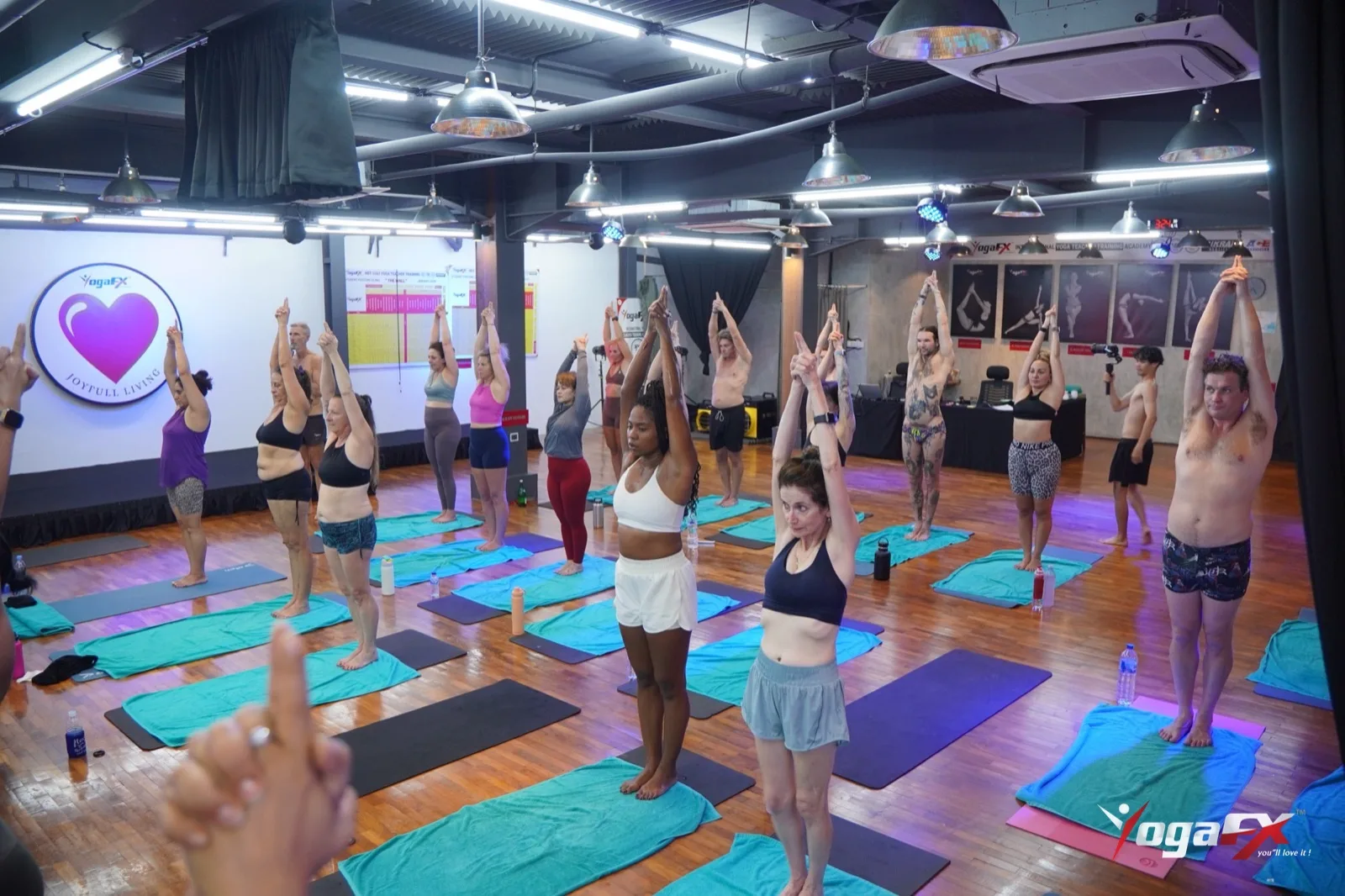
What the Research Measured About Effort
If Bikram yoga is hard, the numbers should show it. They do, though not in the way most people expect. A 2014 study of 24 practitioners in a heat chamber at San Diego State University tracked heart rate, sweat and energy use through a standard 90-minute class.
The researchers split the group by experience. Novices had fewer than 20 sessions behind them, and experienced students had 20 or more. The gap between the two groups is the most useful part of the study.
- Novices averaged 72.3% of predicted maximum heart rate and a sweat rate of 0.6 kg per hour.
- Experienced students averaged 86.4% and a sweat rate of 1.1 kg per hour.
- Energy use averaged 286 kcal across the group, with a range from 179 to 478 kcal.
- Intensity rating: the authors classed all postures as light to moderate under American College of Sports Medicine standards.
Read that twice. Experienced students worked at a higher heart rate than novices, yet in our experience they describe the class as easier. So “hard” in the first weeks is not simply about how much effort the heart is making. It is about how much of that effort feels unfamiliar and uncontrolled. That is why asking “is Bikram yoga hard” needs two answers, one for week one and one for month two.
The study is small, with 5 men and 19 women, and it was done in a chamber, not a working studio. Treat the figures as a picture of one group, not a promise. For a wider look at the heart-rate side, our guide to whether hot yoga counts as cardio goes deeper.
Four Numbers Behind the Effort
72.3%
Novice heart rate
Share of predicted maximum heart rate in students with fewer than 20 sessions.
86.4%
Experienced heart rate
Regular students worked harder, yet in our experience find the class easier.
286 kcal
Average energy use
Range from 179 to 478 kcal across 24 participants.
0.6 vs 1.1
Sweat in kg per hour
Novices against experienced students, so drink more as you adapt.
Why Is Bikram Yoga Hard When the Poses Are Light?
A walk and a Bikram class can share an intensity label and feel nothing alike. Four things separate them, and none of them show up in a calorie count.
- Heat removes your exits. In a cool room you can stand and breathe for a minute. At 40°C, standing still is itself a task.
- The order never changes. You cannot skip the posture you dislike, so the hardest ones arrive on schedule.
- The dialogue sets the pace. The teacher speaks the cues, and you follow, so you cannot negotiate with the clock.
- Nobody demonstrates. You work from words alone, which asks more attention than copying a teacher.
As a result, those four turn a modest physical load into a demanding mental one. So students often say the class is hard on the mind first and the body second. That matches what we see from the podium. If you want to know why the room is that hot, read our explainer on the Bikram hot yoga room.
Humidity matters too. We run the room near 40%, so sweat does not evaporate as quickly as in dry heat. The body keeps working to cool itself, which is why the sweat rates in the study above climbed with experience.
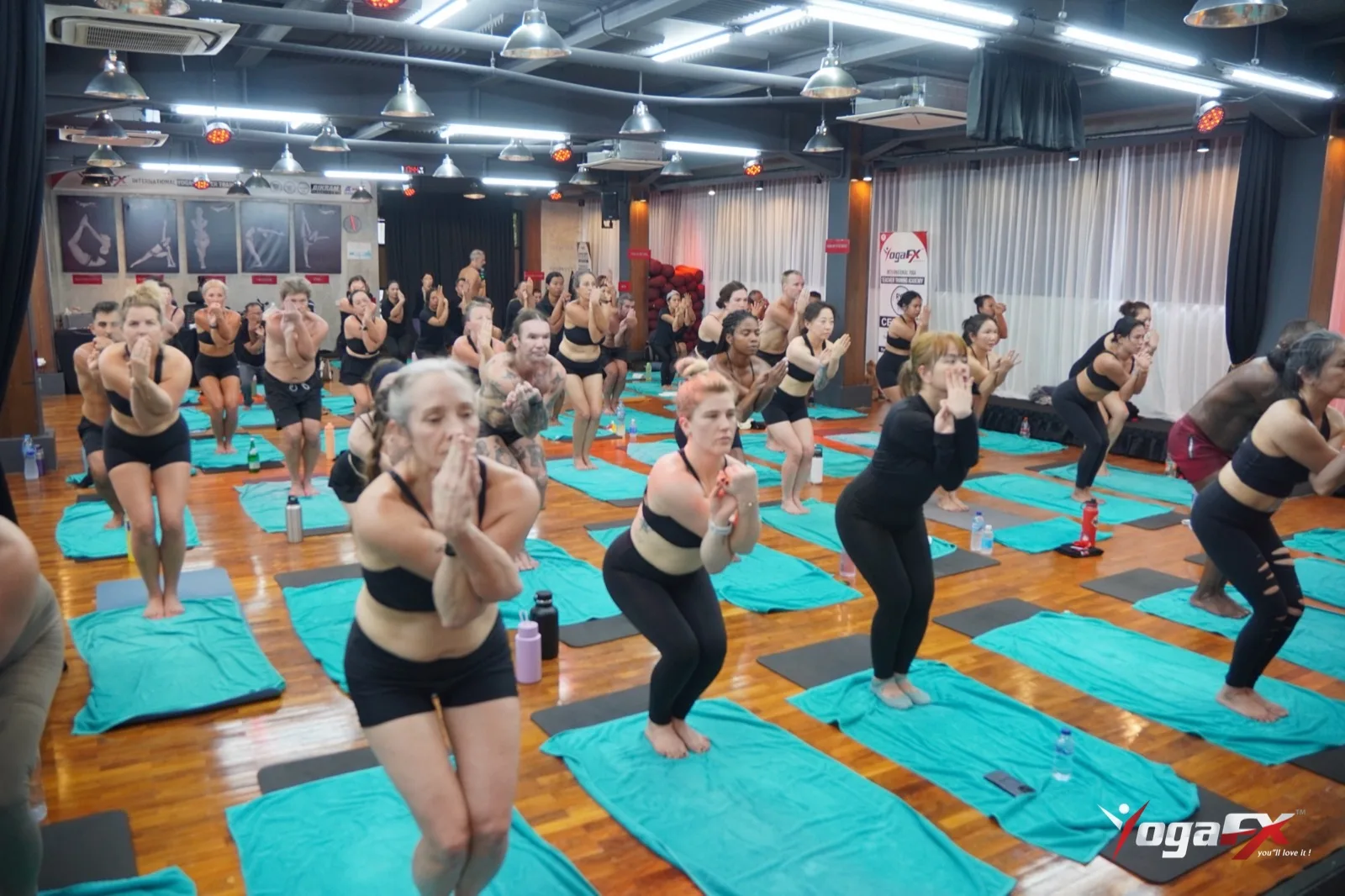
The Postures Beginners Find Hardest
Ask ten beginners which posture is hardest and you will get five different answers. A few come up again and again, though, and they cluster at predictable points in the class.
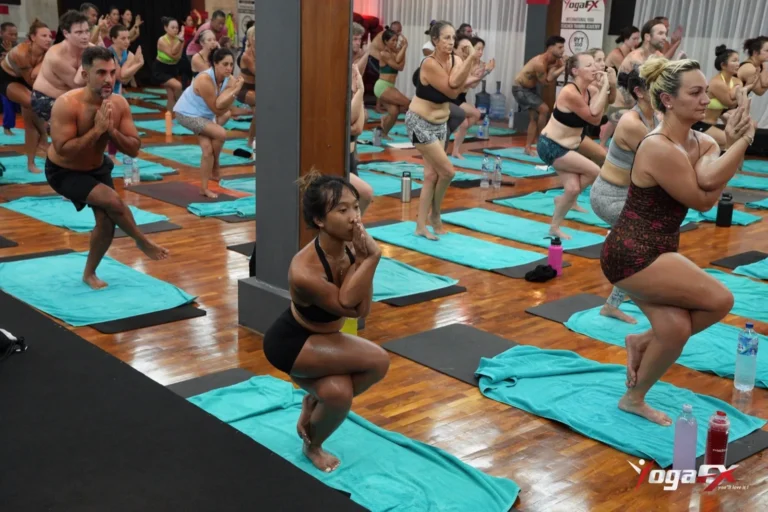
- Awkward pose (Utkatasana): a chair squat on the toes. The thighs burn early, while the heat is still new.
- Eagle pose (Garudasana): a wrapped, one-leg balance. Most beginners fall out of it, and that is normal.
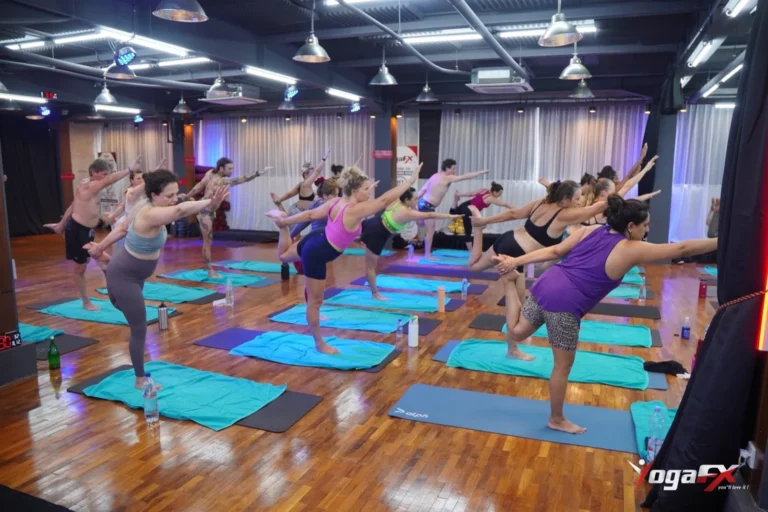
- Standing Bow (Dandayamana Dhanurasana): a kick, a lean and a balance at once. It asks for coordination more than strength.
- Camel (Ustrasana): a deep kneeling backbend late in the class. The effort here is partly fear of the unfamiliar shape.
- The final rest: lying still is hard for restless minds, even when the body is finished.
You don’t need to master any of these in your first month. The method rewards showing up and trying, not depth. Our teachers would rather see a modest, honest posture than a forced one. For a posture-by-posture look, the beginner guide to a first Bikram class walks through the whole 90 minutes.
Is Bikram Yoga Hard Forever? Your First 10 Classes
Difficulty changes quickly, and in a predictable order. Here is the arc we see in the room, based on thousands of teaching hours rather than a formal study.
Classes 1 to 3: survival mode
Everything is new. You are learning posture names, the heat, and where to rest. Many beginners leave early, step out, or sit through postures. That’s allowed. The only aim is to stay in the room and keep breathing.
Classes 4 to 7: the pattern appears
The order starts to feel familiar. You know what comes after Eagle, so you stop bracing for surprises. That alone makes the same class feel shorter. Balances still wobble, but you recover faster.
Classes 8 to 10: the class becomes yours
Now the questions change. You stop asking whether you can finish and start asking how you want to work. Most students notice they breathe through the hard postures instead of holding their breath.
Notice that the sequence did not get easier. Your attention got steadier. That is also why a one-off class tells you little. If you are deciding whether Bikram yoga is hard enough, or too hard, give it a block of ten classes before judging.
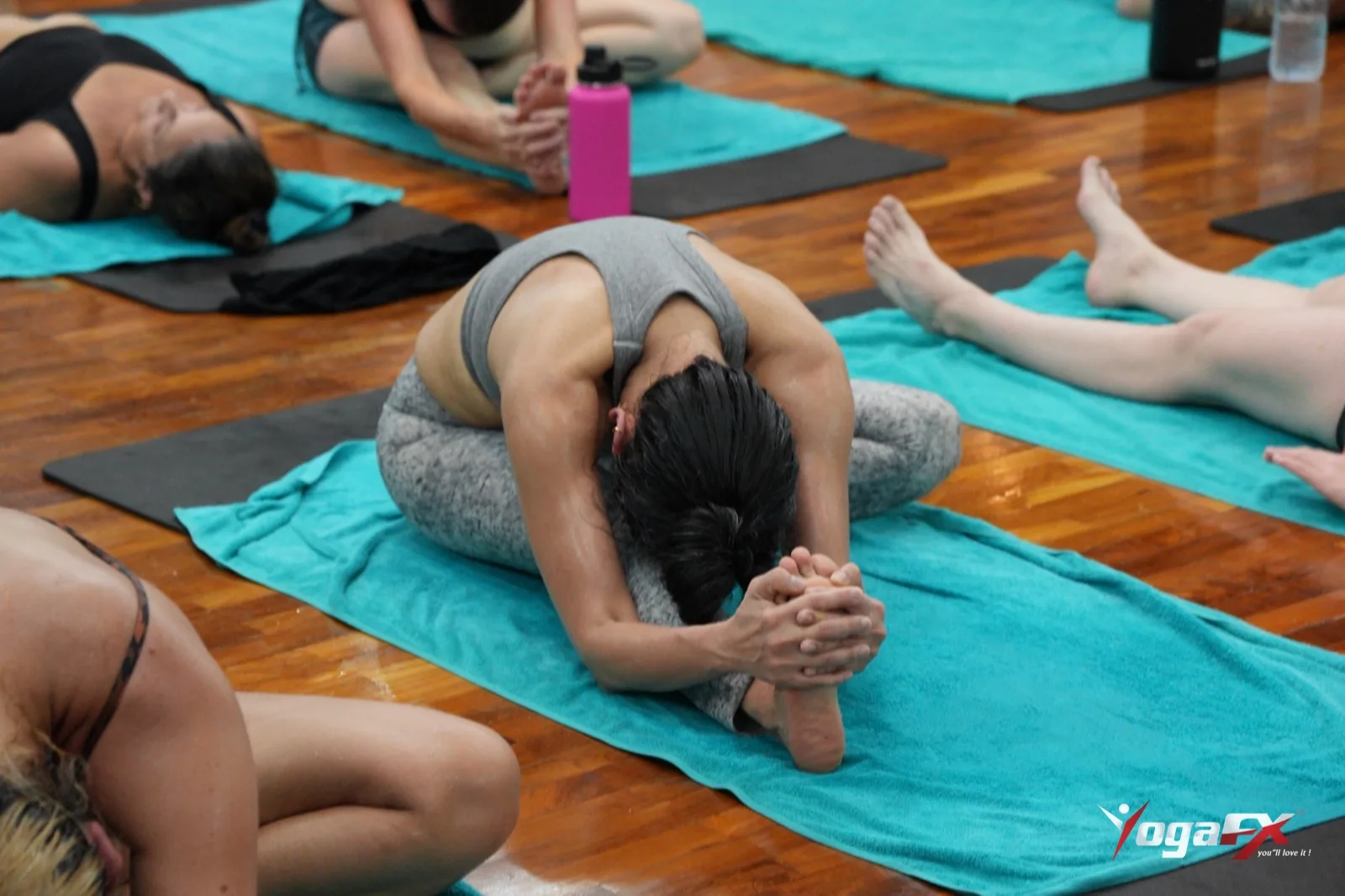
Is Bikram Yoga Hard for You? It Depends on Where You Start
Is Bikram yoga hard for a runner, a desk worker or a retired teacher? The answer shifts with your starting point. Fitness helps, but heat tolerance and attention matter just as much, so the fittest person in the room is not always the most comfortable.
- Active people often rely on strength and push too hard. The class rewards patience, so their first lesson is easing back.
- Desk workers usually meet tight hips and hamstrings. Those limit depth, but the heat and repetition tend to open them over weeks.
- Older beginners usually do well when they pace themselves and rest early. Balance and joint comfort are the points to watch.
- Restless minds find the silence hard. The fixed order gives that mind something to follow, which many students come to value.
- Anyone with a health condition needs a doctor’s view first. Hard for them can mean unsafe, so ask before you book.
Your starting point isn’t a verdict. It only tells you where the early effort will land. Almost everyone finds a way in, as long as they respect their limits and show up again.
How to Make Your First Class Less Hard
Since the first class is the hardest, prepare for it on purpose. A little planning cuts the effort noticeably, and none of it needs equipment beyond a towel and a bottle of water.
- Before class: drink water through the day, eat lightly a few hours earlier, and arrive 10 to 15 minutes early.
- During class: stay near the back or the door if you like, breathe through your nose, and rest whenever you feel unwell.
- After class: lie still for a few minutes, sip water slowly, and eat a proper meal once your appetite returns.
Then book a second class within a few days. The sequence builds on itself, and a short gap between sessions keeps the order fresh. If you ask “is Bikram yoga hard” after only one visit, you are measuring the wrong thing, because the first class is mostly nerves and novelty.
Beginner Mistakes That Make Bikram Yoga Harder
A lot of the difficulty is avoidable. These are the mistakes we correct most often, and each one adds effort without adding benefit.
- Arriving dehydrated. Start drinking water well before class, not in the car park.
- Eating a heavy meal. A full stomach and 40°C do not mix. Leave a few hours, or keep it light.
- Chasing the person beside you. Their depth belongs to their body. Copy the cue, not the neighbour.
- Holding your breath in hard postures. It raises effort and shortens your stay. Breathe through your nose.
- Skipping the rest. The pauses between postures are part of the design. Use them fully.
- Judging the method after one class. The first session measures your nerves as much as your fitness.
If you often feel wiped out afterwards, that is common too. We explain why some students feel flat and others elated in our piece on feeling tired after hot yoga.
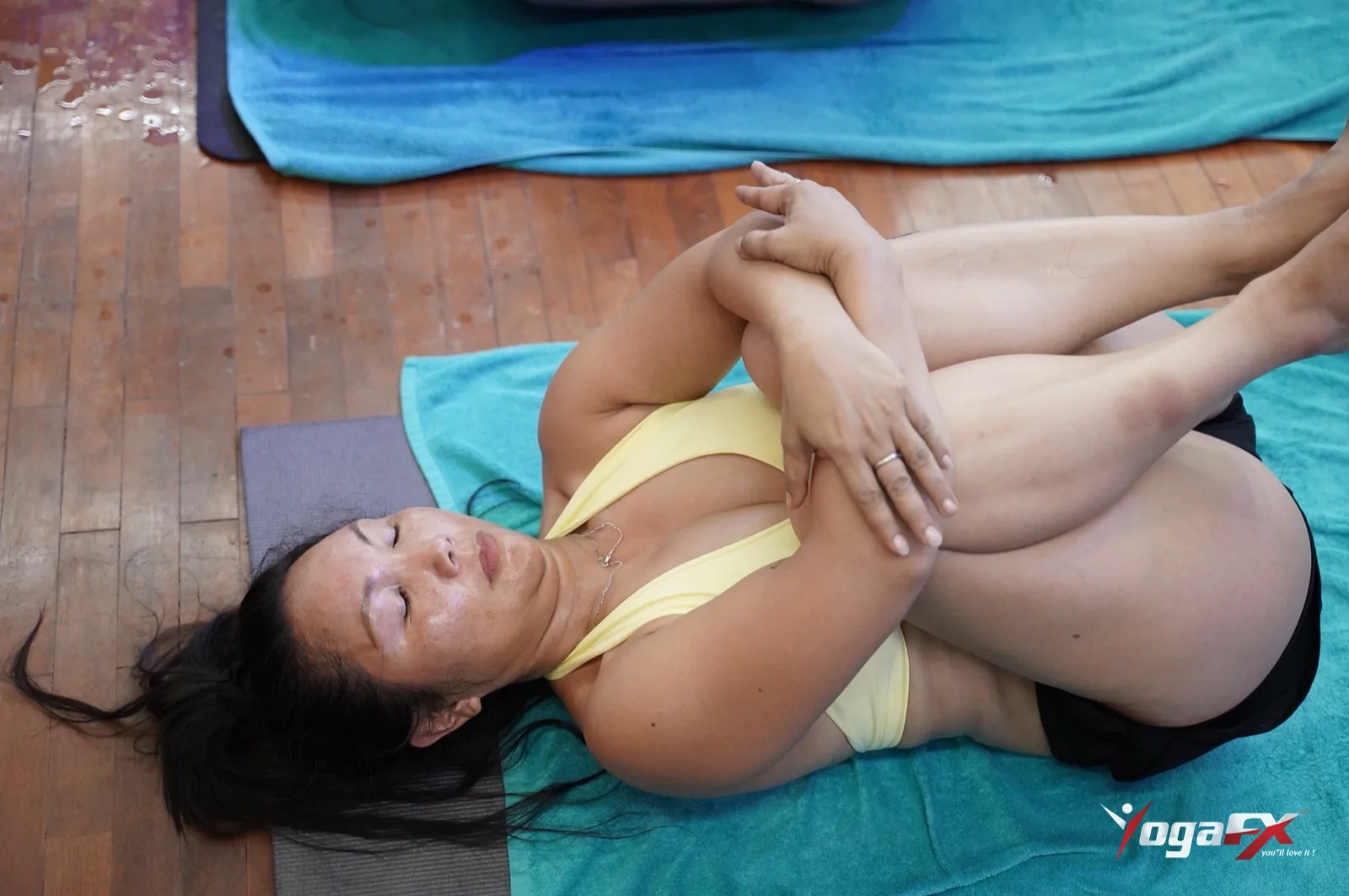
Is Bikram Yoga Hard on Your Health? Who Should Check First
Hard is not the same as unsafe, but heat adds real considerations. Is Bikram yoga hard on health? The class suits many healthy adults, and the research on mood is encouraging. Harvard Health’s summary of a randomised trial followed 65 adults with depression who did at least two 90-minute hot yoga sessions a week for eight weeks.
In that trial, symptoms eased by half or more for about 6 in 10 of the yoga group, against about 1 in 20 of the wait-listed group. That does not prove heat is the active ingredient, and it is not a treatment claim. It does show, for example, that people can sustain this kind of practice for two months.
Who should check with a doctor first
The same source gives a plain safety rule: talk to your doctor before trying hot yoga, especially with heart problems. We say the same. Check with a healthcare professional first if you are pregnant, have heart or blood pressure issues, take medication that affects heat tolerance, or often feel faint in warm rooms.
Then tell your teacher before class. A good teacher will show you where to modify or rest. If you feel dizzy, nauseous or unwell, sit down, drink water, and leave the room if needed. Nobody’s keeping score. This article is general education and not medical advice.
What Students Say About How Hard It Feels
Opinions beat numbers when you are deciding whether to try something difficult. We collect reviews from Google, Yoga Alliance and YouTube. Here are three that touch on effort and limits, quoted word for word.
“Always remember what he says... Breathing and Focus.”
Febri, Google review, 2020
“And it helped me push through the edges of the postures and it was great.”
A trainee in our YouTube review, 2018 (watch the video)
“Every single time I do it. I learn something new.”
A trainee in our YouTube review, 2026 (watch the video)
None of these reviewers say the class is easy. They say it taught them something. That is the honest answer to “is Bikram yoga hard”: it is hard in a way people tend to value afterwards.
From Hard Student to Capable Teacher
Plenty of our trainees first came to us asking whether Bikram yoga is hard, then discovered the difficulty was the point. Once the sequence is familiar, the challenge shifts from surviving it to delivering it well.
Mr. Ian Terry trained for five years, from 2014 to 2019, alongside the founder of the Bikram Hot 26&2 method, and he teaches trainees to deliver the same dialogue you hear in class. Our six-day hybrid programme starts with the online pre-course and finishes with a practical intensive in Bali. The next batch runs Sunday 24 January 2027 to Friday 29 January 2027 at Soham Wellness Center in Seminyak.
Graduates receive the Yoga Alliance RYT 200-Hour certificate and the Bikram Hot 26&2 200-Hour International Yoga Certification. Dates, formats and costs are in our guide to the six-day Bikram teacher training. Anyone with a regular practice can start the conversation.
FAQ
Is Bikram yoga hard for beginners?
Is Bikram yoga hard for beginners? Yes, most find the first few classes hard, mainly because of the 40°C heat and the 90-minute length. The postures are not acrobatic. Rest whenever you need to, drink water, and aim to stay in the room. Many students say the class feels more manageable by their fifth or sixth session.
Is Bikram yoga harder than regular yoga?
Usually it feels harder than a room-temperature class, because the heat raises heart rate and removes easy pauses. A 2014 study rated the postures light to moderate, though. The class is demanding mainly because of heat, length and a fixed order, not because the poses are advanced.
Is Bikram yoga hard on the body?
It can be demanding, especially for the heart, knees and hydration. Heat adds risk for some people. Harvard Health advises talking to a doctor first, particularly with heart problems. Tell your teacher about any injury, modify postures, and stop if you feel dizzy or unwell.
How long until Bikram yoga gets easier?
There is no fixed timeline, but many students notice a shift between the fourth and tenth class. The sequence becomes familiar, so you brace less and breathe more. Attendance matters more than depth. Give yourself a block of about ten classes before deciding whether the method suits you.
Can you fail at a Bikram class?
No. Nobody grades you in a Bikram class, so there is nothing to fail. Falling out of a balance, resting in child’s pose or stepping out to cool down are all normal. The only aim is to keep trying within your limits. A teacher would rather see an honest, modest posture than a forced one that risks injury, so go gently.
Still have questions? Ask whether Bikram yoga is hard for your body, or about the training, and message Mr. Ian and the YogaFX team on WhatsApp. We answer personally.