The library of books relevant to Bikram and 26&2 yoga is smaller than most yoga styles but more specific. Each book on this list serves a different purpose: some explain the postures and their physiological rationale, one provides the most honest account of the Bikram yoga world ever published, and several are essential anatomy and teaching references that any serious practitioner or teacher training candidate should have read.

This list is curated for two audiences: practitioners deepening their understanding of the method, and teacher training candidates preparing for or following up on their YTT.
The essential Bikram yoga reading list includes: Bikram's Beginning Yoga Class (Choudhury, 1978) for the original posture guide, Hell-Bent (Benjamin Lorr, 2012) for the most honest account of the Bikram world, The Anatomy of Hatha Yoga (David Coulter) for physiological reference, and Beyond Hot Yoga (Craig Villani) for a modern practitioner perspective.
For teacher training candidates, the YogaFX 60,000-word teaching manual provided to all graduates is the most comprehensive Bikram-specific instructional resource available outside of direct training.
The 8 Best Bikram Yoga Books
1. Bikram's Beginning Yoga Class - Bikram Choudhury (1978, revised 2000)
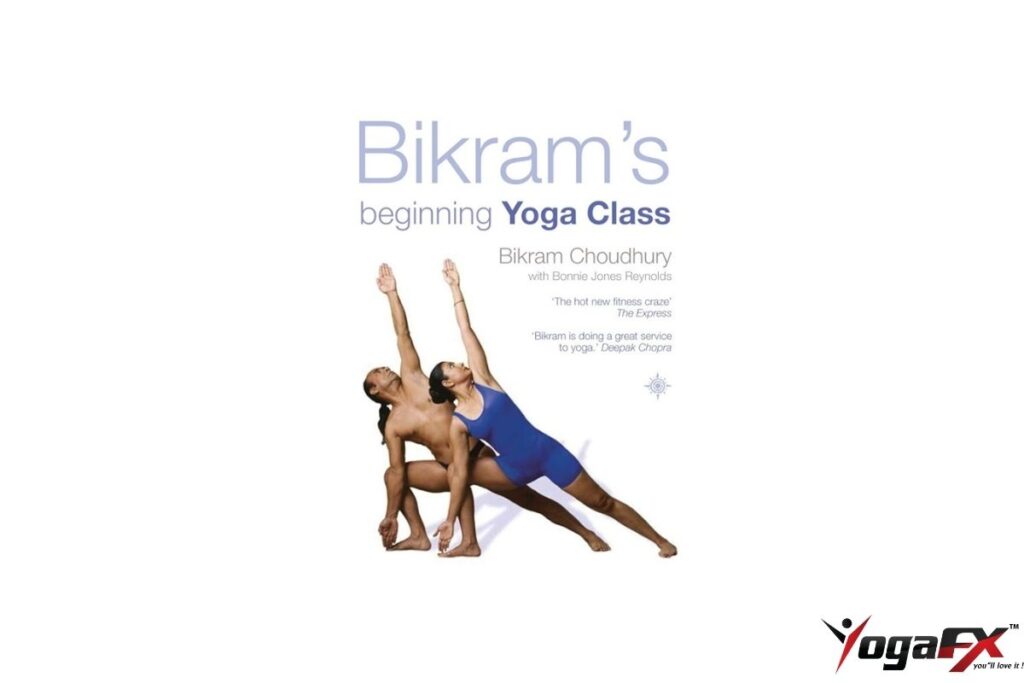
The original. Published in 1978 and revised in 2000, this is the foundational text of the Bikram method written by its creator. It covers all 26 postures with photographic demonstrations, the dialogue for each pose, and Choudhury's explanations of the physiological benefits attributed to each posture.
The book is essential reading for anyone serious about the 26&2 method. The prose is dated and the physiological explanations reflect 1970s understanding rather than current peer-reviewed research, but the posture instructions and dialogue context are irreplaceable primary sources. No other book provides the same direct access to Choudhury's original teaching intent for each posture.
Best for: practitioners wanting to understand the original method from source, teacher training candidates studying dialogue context. ISBN: 9781585420209 (revised edition, 2000).
2. Bikram Yoga: The Guru Behind Hot Yoga - Bikram Choudhury (2007)
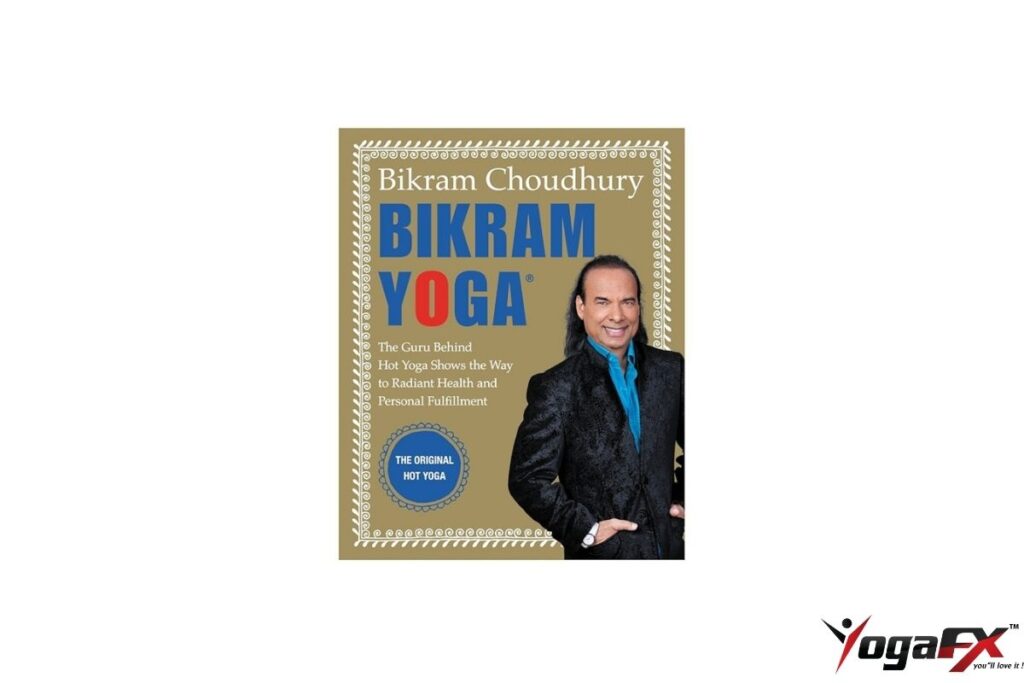
The more accessible of Choudhury's two major books, written for a general audience rather than practitioners already familiar with the sequence. Covers the 26 postures with detailed descriptions, the philosophy behind the method, stories from Choudhury's teaching career, and practical guidance for establishing a home practice.
Less technically dense than Beginning Yoga Class, this book is useful for practitioners in their first year of practice wanting broader context about why the sequence is structured as it is. It also covers nutrition, lifestyle, and the broader wellness framework Choudhury built around the physical practice.
Best for: newer practitioners wanting accessible context about the method. ISBN: 9780060568085.
3. Hell-Bent: Obsession, Pain, and the Search for Something Like Transcendence in Competitive Yoga - Benjamin Lorr (2012)
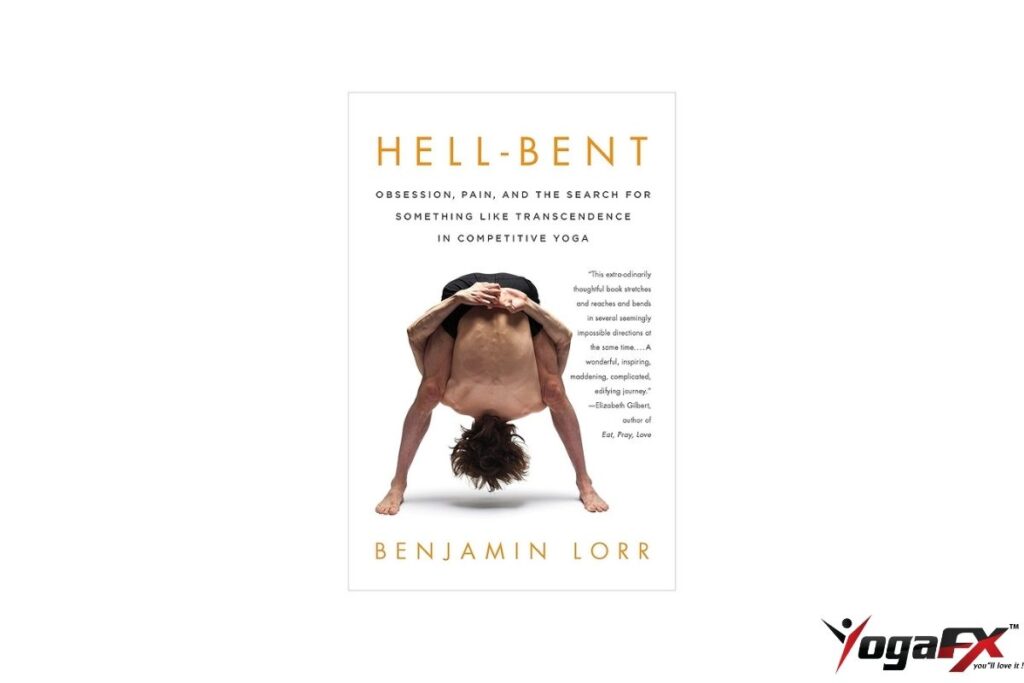
The most important book about Bikram yoga that is not by Bikram Choudhury. Benjamin Lorr spent years embedded in the Bikram yoga world, competing in the USA Yoga championships, attending Bikram teacher training, and observing the community from the inside.
The result is simultaneously a rigorous look at the physiology of extreme flexibility, a cultural study of the Bikram community, and a disturbing portrait of the dynamics around Choudhury himself.
Published in 2012, before the full scope of the legal cases against Choudhury became public, Hell-Bent captures something the later Netflix documentary does not: the genuine psychological and physiological experience of deep Bikram practice from a skeptical, thoughtful observer who was simultaneously being transformed by the practice. The science sections on connective tissue, flexibility, and the physiology of extreme heat practice are as good as any popular science writing on the subject.
Best for: practitioners wanting an honest, rigorous account of the Bikram yoga world. Teacher training candidates who want to understand the cultural context they are entering. Anyone interested in the physiology of extreme yoga practice. ISBN: 9781623360030.
4. The Anatomy of Hatha Yoga - H. David Coulter (2001)
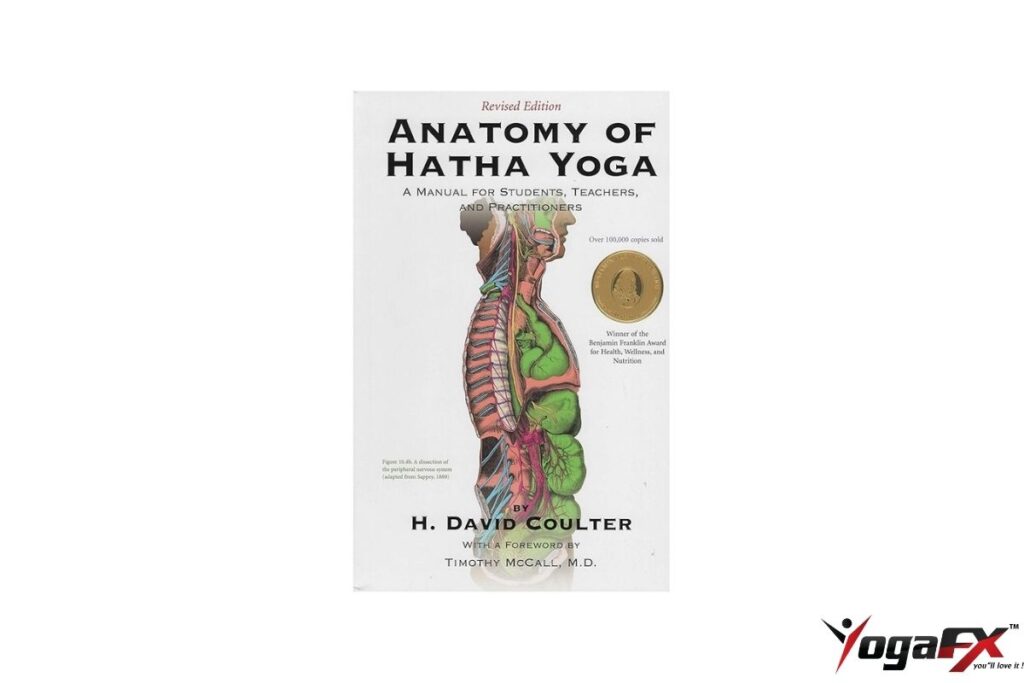
Not a Bikram book specifically, but the most valuable anatomical reference available for anyone serious about the physiological foundation of the 26&2 sequence. Coulter was a medical doctor and yoga practitioner who spent decades mapping the musculoskeletal, organ, and nervous system effects of classical Hatha yoga postures.
The Bikram sequence is drawn entirely from Hatha yoga tradition. Every physiological claim made in the Bikram dialogue about organ compression, glandular stimulation, and spinal mechanics has its origin in the Hatha yoga framework that Coulter maps in extraordinary detail. Understanding Coulter's work provides the anatomical basis for why the Bikram sequence is structured as it is.
This book is dense and technical. It is not a casual read. It is, however, the single best anatomy reference for a Bikram teacher training candidate who wants to understand the why behind every posture they are learning to teach.
Best for: teacher training candidates, serious practitioners wanting physiological depth, yoga teachers expanding their anatomy knowledge. ISBN: 9780971541207.
5. Beyond Hot Yoga: On Patterns, Practice, and Movement - Craig Villani (2020)
A modern practitioner account written by a long-term Bikram yoga teacher who engaged seriously with the method post-2017 as the Bikram brand fragmented. Villani's book addresses what practitioners and teachers who love the 26&2 sequence do with a practice now organisationally separated from its founder.
The book covers the patterns underlying the Bikram sequence from a movement science perspective, exploring why the specific combination of postures produces the outcomes it does, and how teachers and practitioners can engage with the method going forward. It is the most contemporary serious text about the 26&2 practice.
Best for: established practitioners wanting a modern, post-Choudhury perspective on the method. Teachers navigating the current hot yoga landscape. ISBN: 9781623174170.
6. The Key Muscles of Yoga - Ray Long (2006)
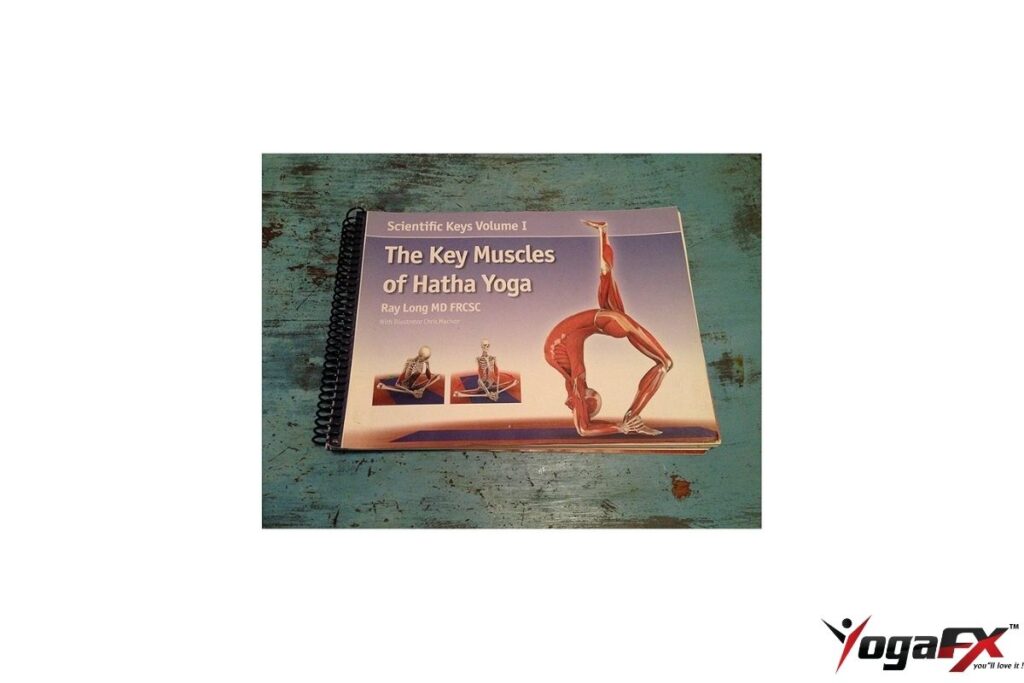
Another anatomy reference that is not Bikram-specific but essential for anyone studying the physical foundations of the sequence. Ray Long is an orthopedic surgeon who produced detailed anatomical guides to yoga postures with medical illustration quality. The visual depth of the muscle activation diagrams makes this a practical complement to Coulter for teacher training candidates.
For each posture category (backbends, forward folds, standing balances, twists), Long identifies the primary and secondary muscles engaged, the antagonists being stretched, and the joint mechanics involved. This maps directly onto the Bikram standing and floor series for anyone who wants to understand the muscular logic of the sequence.
Best for: teacher training candidates, anatomy-focused practitioners, teachers building their physiological explanation skills. ISBN: 9781607432395.
7. The Yoga Sutras of Patanjali - translated by Sri Swami Satchidananda (multiple editions)
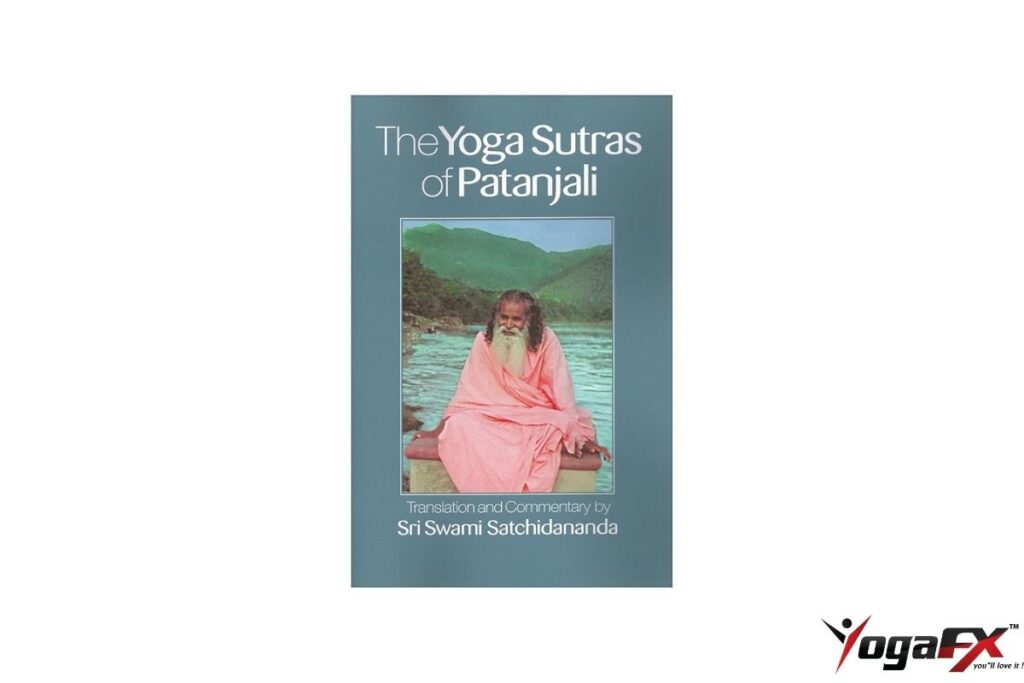
The Yoga Alliance RYT 200 curriculum requires yoga philosophy study, and the Yoga Sutras of Patanjali is the foundational philosophical text of classical yoga. Most teacher training programmes reference this text. The Satchidananda translation and commentary is the most accessible introduction for practitioners without prior Sanskrit or philosophical training.
Bikram yoga as practiced at YogaFX is explicitly non-spiritual and non-philosophical in its studio culture. This does not mean the philosophical foundations are irrelevant for teachers. Understanding the Yoga Sutras provides the broader context for where the physical practice sits within the larger yoga tradition, which is part of the Yoga Alliance curriculum requirement.
Best for: teacher training candidates completing the philosophy requirement, practitioners wanting broader context about the tradition.
8. The Toolbox: Tools for Teaching Bikram Yoga - Michele Vennard (2010)
A specialist teaching reference written specifically for Bikram yoga instructors. Covers class management, dialogue delivery, student observation and correction, sequencing within the fixed format, and the specific challenges of teaching in a heated room. Less widely available than the other books on this list but more specifically useful for teacher training candidates than any general yoga teaching book.
Michele Vennard trained directly in the Bikram system and the book reflects genuine inside knowledge of the teaching methodology rather than an outside-looking-in perspective. For candidates preparing for teacher training, this provides practical framing for what the training will develop.
Best for: teacher training candidates, newly certified Bikram teachers, instructors wanting to improve their teaching methodology. ASIN: B003YUGQAS (limited availability, check Amazon and specialist yoga bookshops).
Reading List by Goal
| Your Goal | Priority Books |
|---|---|
| New practitioner (first 6 months) | Bikram Yoga: The Guru Behind Hot Yoga (accessible overview) + Hell-Bent (honest context) |
| Preparing for teacher training | Beginning Yoga Class (posture/dialogue reference) + The Anatomy of Hatha Yoga (physiological depth) + The Toolbox (teaching methodology preview) |
| Post-certification deepening | The Key Muscles of Yoga (anatomy) + Beyond Hot Yoga (modern perspective) + The Yoga Sutras (philosophy requirement) |
| Understanding the Bikram world | Hell-Bent (essential, no substitute) + Beginning Yoga Class (primary source) |
| Anatomy and physiology study | The Anatomy of Hatha Yoga (comprehensive) + The Key Muscles of Yoga (visual reference) |
| Teaching methodology | The Toolbox (Bikram-specific) + Beginning Yoga Class (dialogue source) |
A Note on Reading Books by Bikram Choudhury
The books written by Bikram Choudhury contain valuable primary source material about the 26&2 method. They also reflect the voice of a person against whom multiple serious legal judgments have been made, including criminal conviction in India.
Practitioners and teachers can hold both of these things simultaneously: the posture instructions and dialogue context in Beginning Yoga Class are genuinely useful reference material, and the person who wrote them is not someone whose character or personal conduct is endorsed by engaging with the instructional content. This is not unique to yoga literature. The work and the person are separable.
At YogaFX, the method is taught as Original 26&2 Hot Yoga, and Mr. Ian Terry's lineage connection to the method comes through direct training in the practice and teaching methodology, not through personal endorsement of Choudhury as an individual. Reading Choudhury's books with the same lens is appropriate.
The YogaFX Teaching Manual: Beyond Published Books
For YogaFX teacher training graduates, the 60,000-word YogaFX Lifetime Yoga Manual is the most comprehensive Bikram-specific instructional resource available. It covers all 26 postures with detailed dialogue, alignment cues, modifications, contraindications, and teaching methodology drawn from Mr. Ian Terry's 12,000 hours of instruction and 5 direct training events with Bikram Choudhury.
This is not publicly available. It is provided to all YogaFX graduates as part of the programme and accessible for lifetime reference after certification. The published books above complement this resource; they do not substitute for it.
FAQ
What is the best book for learning Bikram yoga as a beginner?
Bikram Yoga: The Guru Behind Hot Yoga (Choudhury, 2007) is the most accessible introduction for beginners because it covers the 26 postures in plain language with practical guidance for starting a practice. Beginning Yoga Class (1978, revised 2000) is more technically detailed and better suited to practitioners who already have some familiarity with the sequence.
For honest context about the Bikram yoga world alongside the practice itself, Hell-Bent (Lorr, 2012) is essential reading for anyone serious about the method.
Is there a book that explains the science behind Bikram yoga?
Hell-Bent by Benjamin Lorr contains the best popular science writing about the physiology of Bikram yoga, including chapters on connective tissue mechanics, heat physiology, and the neurological effects of extreme yoga practice. For deeper physiological reference, The Anatomy of Hatha Yoga by David Coulter provides the musculoskeletal and organ system foundation for all Hatha-derived postures including the Bikram sequence.
The peer-reviewed research base (Porcari et al. 2014, Tracy and Hart 2013, Harvard MGH 2023) is available directly via PubMed rather than in book form.
What books should I read before Bikram yoga teacher training?
Priority reading before teacher training: Bikram's Beginning Yoga Class for posture and dialogue context, The Anatomy of Hatha Yoga for physiological depth, and Hell-Bent for honest context about the tradition you are entering. The Toolbox by Michele Vennard is specifically useful for previewing what teaching methodology training covers.
Most of the theoretical content of a quality YTT (dialogue, anatomy, philosophy) is taught during the programme itself, so reading preparation is about building foundational context rather than replacing training.
Does reading Bikram's books help with teacher training?
Reading Beginning Yoga Class specifically provides useful context for teacher training, particularly for dialogue study. The posture descriptions and original rationale Choudhury provides help candidates understand the intent behind each instruction before arriving at the in-person intensive. For the YogaFX programme, the online pre-course covers all required theoretical content, so books serve as supplementary context rather than curriculum requirements.