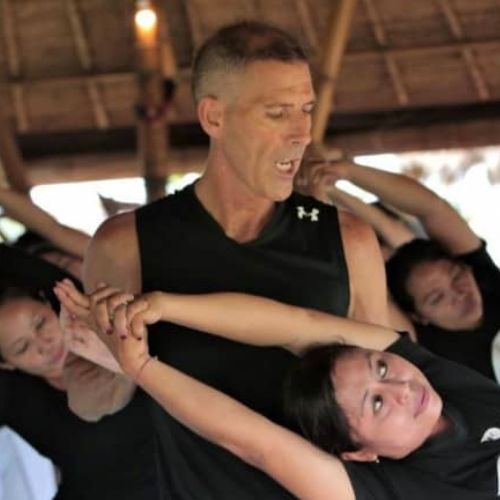
The international yoga sports federation (IYSF) is the body that runs yoga as a judged sport: it sets the rules, trains the judges and stages a world championship. It works alongside national bodies such as USA Yoga and the Yogasana federations. Many of the postures athletes perform come straight from the 26&2 sequence.

That's the short version. The longer version matters if you teach, train or compete, because the names are confusing. Several groups use "world", "international" or "federation" in their titles, and they don't all do the same job. Below, I'll separate the international yoga sports federation from the national bodies around it, and show where the 26&2 postures actually appear on the competition floor.
I'm writing from the teaching side. Mr. Ian Terry, E-RYT 500, founder of YogaFX, coached Indonesia's team at the first World Yogasana Championship in Ahmedabad. He is also Master Trainer of the Republic of Indonesia Yogasana Sports Federation. So this guide mixes official sources with what we see in the studio, for example how a posture looks when a trainee finally locks the knee.
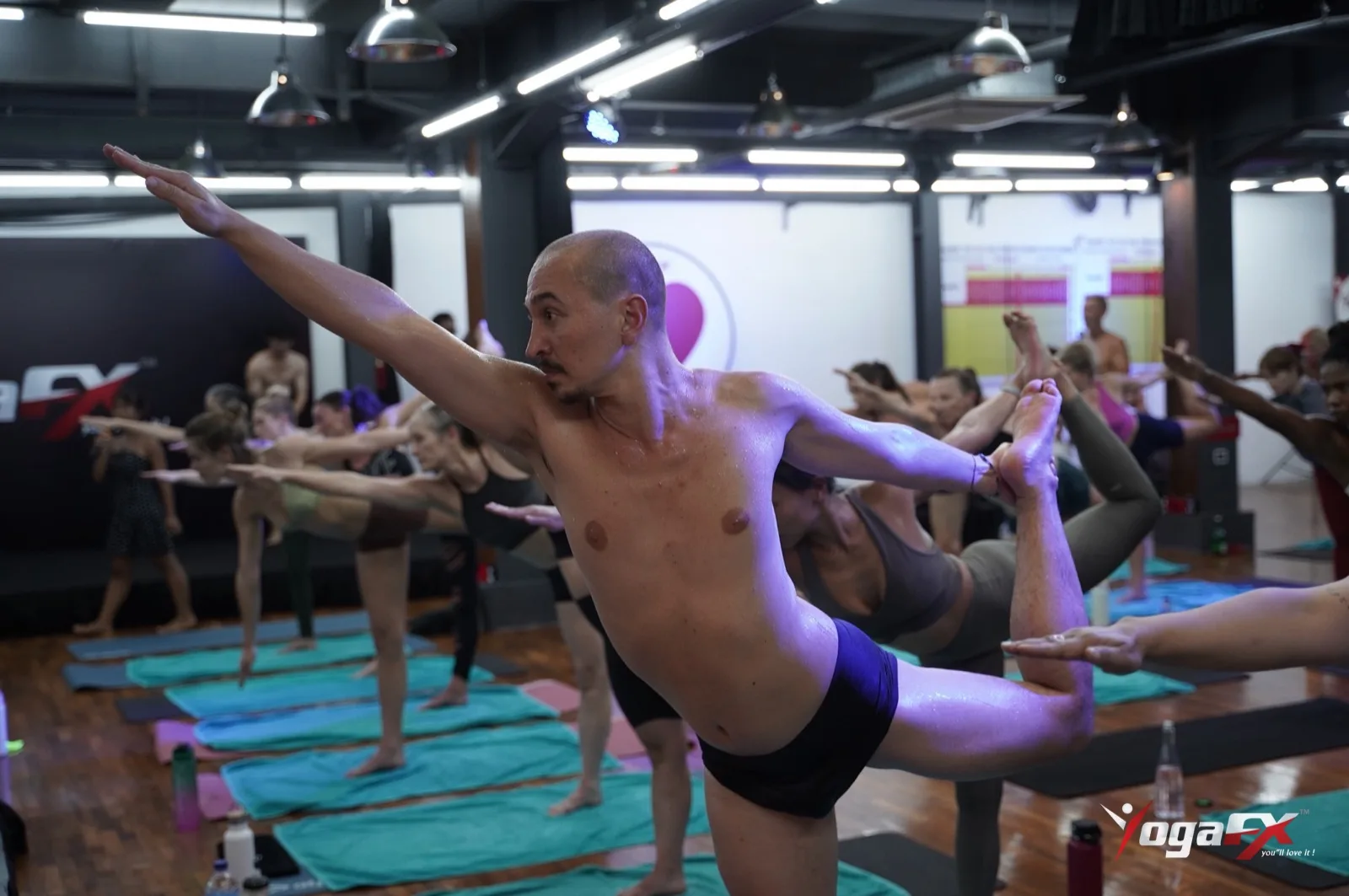
What the International Yoga Sports Federation Does
The International Yoga Sports Federation is the global body for competitive yoga, which it calls "Yoga Sports". Wikipedia's overview of competitive yoga says it began in 2003. Australian Masters Games summary of yoga sports gives the same year and says the federation governs the sport worldwide.
According to IYSF's own website, it works through an Executive Committee, an Athletes' Commission and a Technical Committee. It also keeps lists of international judges and international coaches. In plain terms, that means one group writes the rules, one speaks for the athletes and one trains the people who score them.
IYSF also runs the big event. Its 17th World Championship of Yogasana Sports is set for 4 to 6 December 2026 in Marina di Camerota, Italy. It expects 150+ athletes from 30+ countries, who compete alone, in pairs or in groups.
That's a useful detail, because it shows the sport is not brand new. As a result, you can trust it has a track record: sixteen editions came before this one. What is new is the government attention in some countries, so we cover that below.
What an international federation does not do
- It doesn't certify yoga teachers. A teacher qualification such as RYT 200 comes from a school and a registry. A federation licenses judges, coaches and competitors.
- It doesn't own a posture. Federation rules describe posture families and how to score them, not a brand of yoga.
- It doesn't replace national bodies. Each country usually has its own federation, which selects and trains its team.
Federation Roles at a Glance: IYSF, USA Yoga and Yogasana Bodies
This is the part most people want. Besides the international yoga sports federation itself, three other kinds of body show up in the news. Each has a different job, so the table keeps them apart. It uses only facts we could check on organiser pages or in news reports.
| Body | What it is | Flagship event | Detail we verified |
|---|---|---|---|
| International Yoga Sports Federation (IYSF) | Global governing body for "Yoga Sports" | World Championship of Yogasana Sports, 17th edition, 4 to 6 Dec 2026, Italy | Founded 2003; committees for athletes, technical rules, judges and coaches |
| USA Yoga | US national competition body, a nonprofit | USA Yoga National Championship | Operating since 2009; routines run three minutes |
| World Yogasana and the Yogasana federations | Newer Yogasana track, backed by India's government | World Yogasana Championship, 4 to 8 June 2026, Ahmedabad | 500+ athletes from 78 countries; India recognised Yogasana as a competitive sport in December 2020 |
| Republic of Indonesia Yogasana Sports Federation | National federation that picks and trains Indonesia's team | Indonesia's team at Ahmedabad | 7 medals: 1 gold, 2 silver, 4 bronze, all by YogaFX graduates |
One more wrinkle. A different group picked the US team for Ahmedabad: the United States Yogasana Sports Federation. All India Radio's report on the US team says its 11 athletes came from quarterfinal trials in Connecticut in April. So "the US federation" can mean two separate organisations, and neither one is the international yoga sports federation.
How a Competition Routine Is Judged
Each federation owns its rules, and they change. Still, the broad shape is similar across the sources we read, including the rulebooks tied to the international yoga sports federation. An athlete performs a short routine of six postures, and judges score alignment, stability and control.
The Australian Masters Games summary of yoga sports explains that the six postures come from six groups: backward bending, forward compression, twist, traction, lift and inversion. Each posture must be held still for at least three seconds to score. Judges then look at difficulty, flow and overall form, so a shaky hold loses points.
How USA Yoga builds its routine
USA Yoga builds its routine a little differently. The USA Yoga federation and its national championship deserve a separate look. Reporting on the USA Yoga championship describes four compulsory postures, one each of forward compression, backward bend, traction and twist, plus two more from an approved list. The routine lasts three minutes.
Because the rule sets differ, always check the current rulebook of the event you plan to enter. Instead of assuming a pose list carries over, confirm it.
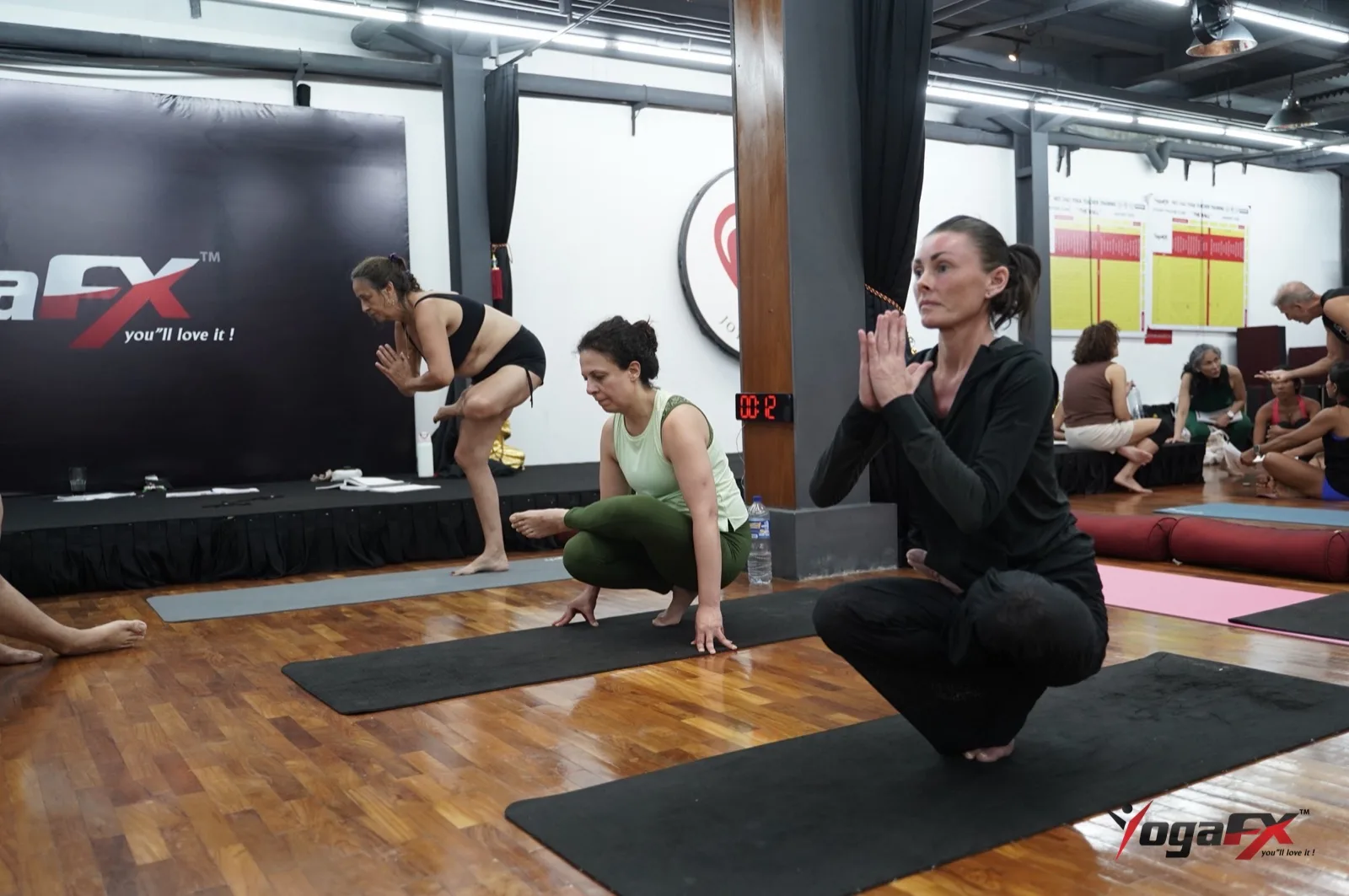
Where the 26&2 Postures Compete
Here's the link most articles skip. Every international yoga sports federation rulebook uses posture families. They match postures in the 26 and 2 sequence closely. Competition athletes don't perform the full 26 and 2 in 90 minutes, of course. Instead, they pick a few postures and polish them for judging.
In our teaching, these are the closest matches between the two worlds:
| Posture family | What judges look for | Closest 26&2 posture |
|---|---|---|
| Forward compression | Standing leg locked, forehead moving toward the knee, steady balance | Standing Head to Knee (Dandayamana Janushirasana) |
| Backward bend | Even curve through the whole spine, hips pushed forward, no collapse in the neck | Camel (Ustrasana) |
| Twist | Upright spine, rotation from the trunk, both sides of the hips level | Spine Twisting (Ardha Matsyendrasana) |
| Balance with a back bend | Hip square, kicking leg high, standing leg straight | Standing Bow Pulling (Dandayamana Dhanurasana) |
Notice the pattern. Competition rewards the same things a 26&2 teacher corrects every day, such as a locked standing knee, square hips and a steady gaze. That's why a trained 26&2 student has a head start on the floor.
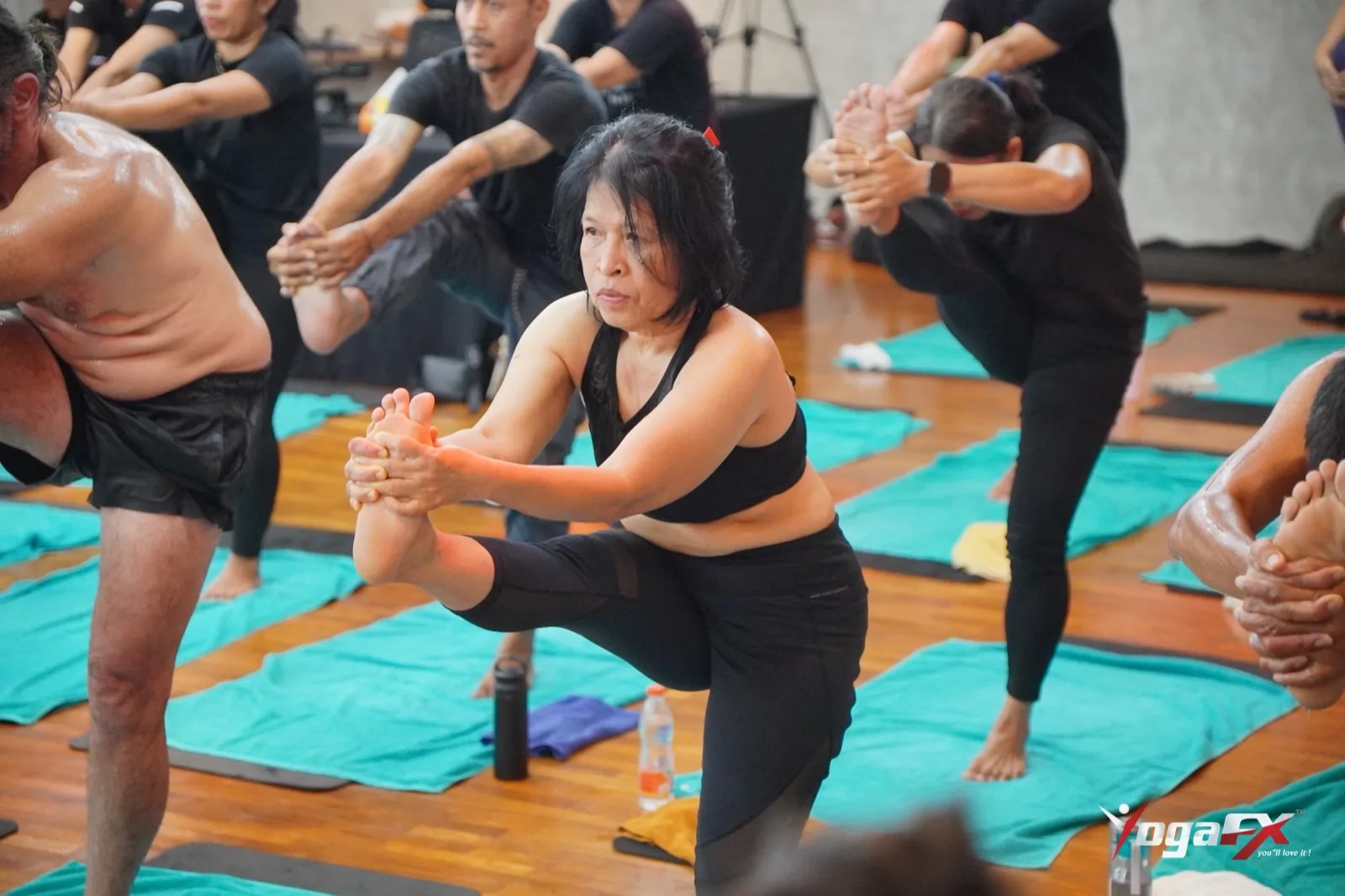
A student who proved it
The clearest example is Ivara Candra Kartika, a 2023 graduate of the YogaFX Bikram Hot 26&2 teacher training. Three years before Ahmedabad she was still struggling with Standing Bow Pulling. In June 2026 she came home from the World Yogasana Championship with one gold and one bronze.
Her record before that was steady: gold at FORNAS VIII in July 2025, then silver at the Asian championships in the UAE in August 2025. Her teammate Arkan Fauzan Riyanto, a 2022 graduate, won two silvers and three bronzes in Ahmedabad. Across all years, YogaFX students have won 12 medals: 5 gold, 3 silver and 4 bronze.
For the full results, see our World Yogasana Championship 2026 results guide. Here the point is narrower. Those athletes learned their posture standards in a hot 26&2 room first. Then they took them to a federation stage.
The National Layer: Indonesia and the Master Trainer Role
International bodies set the stage. National federations build the athletes. In Indonesia, that's the Republic of Indonesia Yogasana Sports Federation. In June 2026 it confirmed Mr. Ian Terry as a Master Trainer, and he served as National Coach for the team in Ahmedabad.
A Master Trainer isn't a teaching certificate in the usual sense. Instead, it's a federation appointment for someone who trains other trainers and competitors. If you want the detail, we explain what a Master Trainer is and why it sits at a different level from RYT 200 or E-RYT 500.
Mr. Ian brings 12,000+ teaching hours and 1,500+ graduates from 80+ countries to that role. Slamet Ariyanto, a 2024 graduate, now chairs PPYNI and manages the Yogasana team. That pipeline, from a Bali teacher training to a national team office, is rare. For example, few schools can point to a graduate who now runs a national team.
Why Federation Recognition Matters for Yoga Teachers
Government backing is changing the sport fast. The international yoga sports federation is no longer the only name in the news. Deccan Herald reported in December 2020 that India's sports ministry formally recognised Yogasana as a competitive sport. The Tribune later quoted India's sports minister saying the government would try to make yogasana an Olympic sport, linked to the 2036 bid.
Nothing is certain, because Olympic entry depends on many choices that no single group controls. Still, the trend is clear. Judged yoga is moving from shows to real sport, with coaches, rulebooks and age groups.
For teachers, that opens three practical doors:
- Coaching. Federations need coaches who can teach alignment to a scoring standard, not just lead a flow.
- Judging. International bodies list trained judges, and national bodies need them too.
- Student pathways. A student who likes challenge now has a ladder from studio class to regional and national events.
What the Research Says About Posture Training
Competition adds pressure, so it's fair to ask what regular posture practice does for the body. The international yoga sports federation rules say nothing about health, so we turn to research. The research is encouraging but modest, and it's about hot 26&2 style classes rather than elite routines.
Two studies worth knowing
A 2013 study by Tracy and Hart, published in a peer-reviewed journal, followed healthy adults through a Bikram-style programme. It reported gains in strength through the back of the body, along with better flexibility and body composition. That suits athletes, because holding a posture still for three seconds takes strength as well as range.
A 2025 review by Willmott and colleagues gathered 43 studies with 942 people. It points to benefits in flexibility, bone density and well-being from Bikram practice. The authors still call for larger trials, so treat the findings as suggestive, not proven.
Both papers are named here rather than linked, because the publisher's site blocked our automated check. So you can search the titles on PubMed to read them yourself.
A note of care: hot yoga isn't right for everybody. This article is general information. Please talk to a doctor before you start, especially if you have a heart condition, are pregnant or take medication.
What YogaFX Students Say About Learning With Mr. Ian
Competition standards are only useful if the teaching is good, so here are three short reviews from our Google profile.
- Siobhan, Google review, 2025: "Ian helped us internally grow and look at ourselves. He built a beautiful community. Forever grateful. His knowledge of Bikram yoga is amazing."
- Rani, Google review, 2023: She thanked Mr. Ian for giving 100% of his energy to the group and said he made sure everybody understood what he expects of a good yoga teacher (close paraphrase).
- Евгения, Google review, 2022: After three weeks of training she said her body went deeper into the postures than in eight years of practice, and she felt stronger, more flexible and more confident (close paraphrase).
We have 150 Google reviews, 50 on Yoga Alliance and 357 video testimonials on YouTube, so you can read plenty before you decide.
How to Check Any Yoga Federation Before You Trust It
Because so many groups use similar names, a short checklist helps. Use it before you trust any international yoga sports federation, or any look-alike. It works for a federation, a championship or a coaching course.
- Find the rulebook. A real federation publishes its rules, posture lists and scoring method.
- Look for named officials. Committees, judges and coaches should be listed, as they are on IYSF's site.
- Check the event history. A long run of past championships shows the body is stable.
- Confirm national backing. Ask whether a ministry or a national federation supports the event.
- Separate sport from teacher certification. Federation roles don't replace a Yoga Alliance registration.
Want to compete? Start with your national federation, not the international yoga sports federation itself. It will tell you which events it sends athletes to, and how trials work.
Train With a Master Trainer in Bali
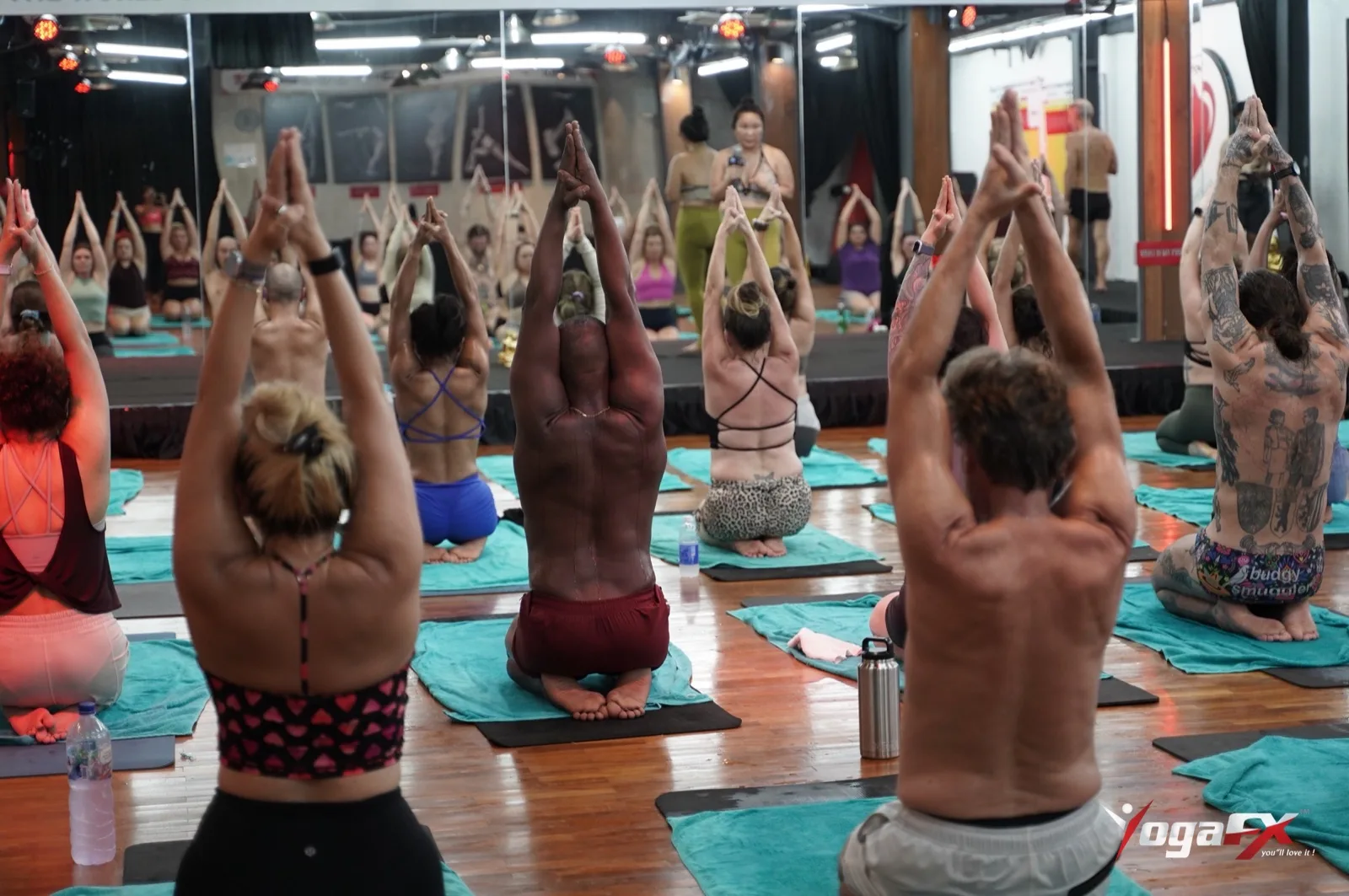
If this article made you curious about the teaching side, the YogaFX Bikram Hot 26&2 Yoga Teacher Training MasterClass is where our graduates start. It's a 6-day hybrid programme, so you study online first and then train in Bali. It leads to Yoga Alliance RYT 200 plus a Bikram Hot 26&2 200-Hour International Yoga Certification.
The next batch checks in on Sunday 24 January 2027 and checks out on Friday 29 January 2027, at Soham Wellness Center in Seminyak. Read the full details in our 6-day Bali teacher training guide, or message Mr. Ian on WhatsApp.
FAQ
What is the International Yoga Sports Federation?
The International Yoga Sports Federation, or IYSF, is the global body for competitive yoga, which it calls Yoga Sports. It began in 2003, publishes rules, lists judges and coaches, and runs a world championship. The 17th edition is set for December 2026 in Italy.
Is USA Yoga the same as the International Yoga Sports Federation?
No. USA Yoga is a US nonprofit that has run national contests since 2009. The International Yoga Sports Federation is the global body. A separate group, the United States Yogasana Sports Federation, picked the US athletes for the 2026 World Yogasana Championship.
How is a yoga sports routine scored?
Athletes perform six postures, and each one must be held still for at least three seconds. Judges score alignment, difficulty, flow and overall form. USA Yoga routines last three minutes. Rules vary, so read the current rulebook before you enter.
Is yoga going to be an Olympic sport?
Nothing is confirmed. India's sports minister has said the government will try to make yogasana an Olympic sport, tied to India's 2036 bid. Olympic entry depends on international sports bodies, so treat it as a goal, not a schedule.
Are the 26&2 postures used in yoga competition?
Competition routines use posture families such as forward compression, backward bend and twist. In our teaching, the closest 26&2 matches are Standing Head to Knee, Camel, Spine Twisting and Standing Bow Pulling. Athletes don't perform the full sequence, only a selected set.
Is YogaFX affiliated with these federations?
YogaFX is an independent academy, not official Bikram Choudhury Teacher Training. Mr. Ian Terry is Master Trainer of the Republic of Indonesia Yogasana Sports Federation. We don't speak for IYSF or USA Yoga, so check their own sites for official rules.
Still have questions? Message Mr. Ian and the YogaFX team on WhatsApp and we will answer them personally.