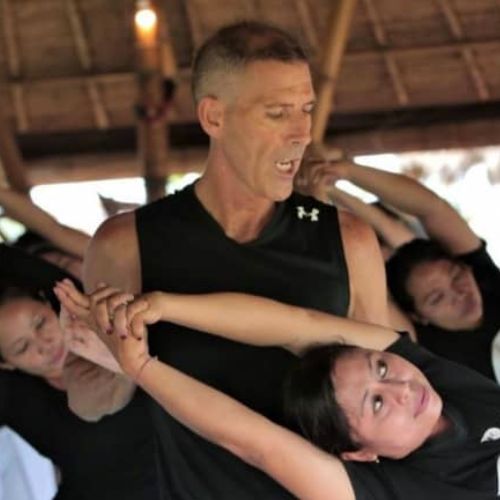
The yoga teaching career path typically moves through four stages: building a base teaching community and studio classes after RYT 200, specializing through advanced training like RYT 500 or a method-specific certification, diversifying income through private clients and workshops, and eventually moving into leadership roles such as studio ownership or teacher training.

Few instructors plan this out in advance. Most discover the stages by living through them.
The Realities of Yoga Teaching as a Job
A well-known Reddit thread in r/yoga asks bluntly whether yoga instruction is actually worth it as a job, and the honest answer is that it depends entirely on how you structure it, not on whether teaching yoga can support a career at all.
A single set of weekly community classes at one studio will not pay rent in most cities.
A teacher who treats those same classes as the entry point into a diversified practice, subbing at multiple studios, building a private client base, and eventually adding workshops or retreats, builds something closer to an actual career over two to five years.
This is the single biggest misconception new graduates carry out of teacher training: that finishing RYT 200 means the career starts immediately at full capacity. It doesn't.
It means you are now qualified to start building one, the same way a law degree qualifies you to practice but does not hand you a full caseload on day one.
The teachers who describe yoga instruction as sustainable are almost always describing year three or four, not month one.
Age and life stage come up constantly in this conversation too, usually as a worry rather than a real obstacle.
Career changers starting teacher training at 40, 50, or later are common, not the exception, and in a field built on experience and consistency, arriving with more life experience and more discipline around showing up on time is frequently an advantage rather than a handicap.
The limiting factor is almost never age. It is whether someone treats the first year as a building phase rather than expecting it to already look like a finished career.
Stage 1: Building a Base After RYT 200
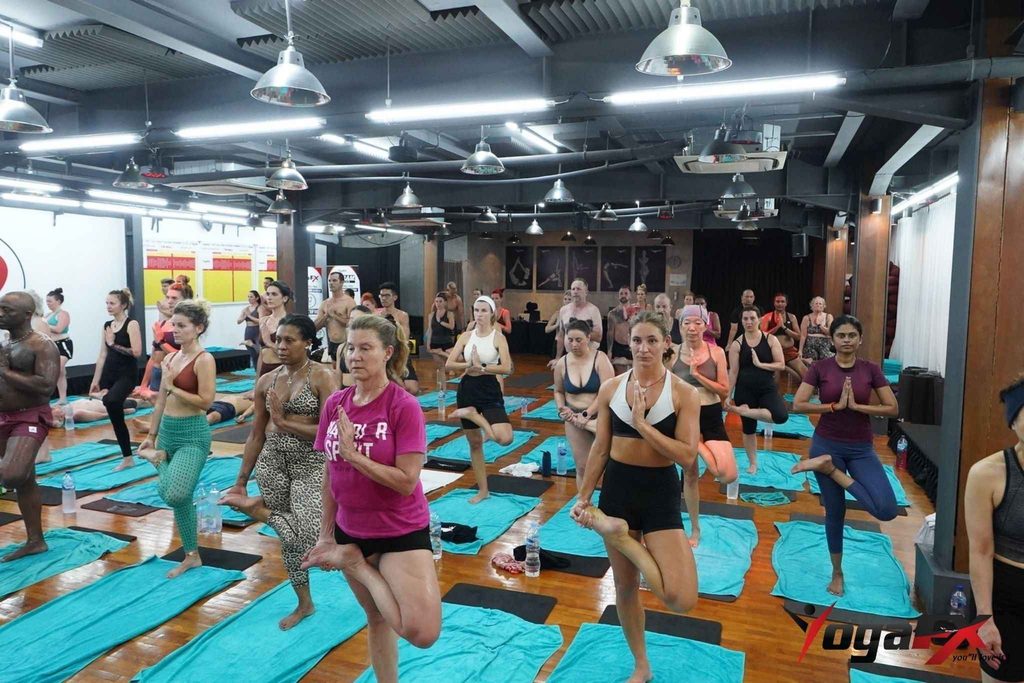
The first six to twelve months after certification are about visibility and repetition, not income.
Most new teachers start by subbing classes at studios that already know their trainers, or by picking up low-paying community classes at gyms, community centres, or the studio where they trained.
The pay at this stage is often closer to a stipend than a wage, sometimes a flat fee of twenty to forty dollars a class regardless of attendance.
What actually matters in this stage is showing up consistently enough that a regular group of students starts recognising your name and following you between venues.
Instructors who build sustainable careers in year one typically do three things: teach as many classes as they can reasonably handle without burning out, say yes to substitute requests even on short notice, and start a simple way for students to find them again, whether that is a class schedule page, an Instagram account, or just being memorable enough that word of mouth does the work.
For the specific numbers behind this stage, our RYT 200 salary breakdown shows how per-class and per-hour rates typically shift as experience builds.
The other thing that happens in this stage, and that nobody warns new teachers about clearly enough, is that the teaching itself gets easier faster than the business side does.
Cueing a class, adjusting sequencing on the fly, and managing a room full of different ability levels are skills that solidify within the first fifty or so classes taught.
Building an actual roster of students who show up specifically for you, rather than for whatever slot happens to be open, takes considerably longer and depends far more on consistency and relationship-building than on teaching skill alone.
Stage 2: Specializing and Advancing
Once a teacher has a year or two of consistent classroom experience, the next inflection point is usually specialization. This can mean advanced training toward RYT 500, or it can mean a method-specific certification, prenatal, therapeutic, restorative, or a heated fixed-sequence method like Bikram Hot 26&2.
Specialization matters for two practical reasons: it lets a teacher command higher per-class rates than a generalist, and it opens studios and client types that a generic 200-hour credential alone does not.
Method-specific training in particular tends to pay off faster than generalist advanced training, because it usually comes paired with a built-in teaching network.
A dual-certified Bikram Hot 26&2 instructor, for example, can apply to both general vinyasa or hatha studios and dedicated hot yoga studios, roughly doubling the pool of venues where that teacher is qualified to work.
Our guide to what RYT 500 actually means compares that path against method-specific specialization in more detail.
Timing this decision well matters more than which specific specialization gets chosen.
Advancing too early, before a teacher has enough classroom hours to actually know their own teaching voice, often produces a credential without the practical judgment to use it well.
Waiting too long, teaching the same generalist classes for five or six years without ever specializing, tends to plateau both income and the kind of studios willing to hire that teacher.
Most instructors who look back on their own path describe the one-to-three-year mark after RYT 200 as the window where specialization decisions paid off the most, early enough to compound over a long career, late enough to be built on real teaching experience rather than theory alone.
Stage 3: Diversifying Income
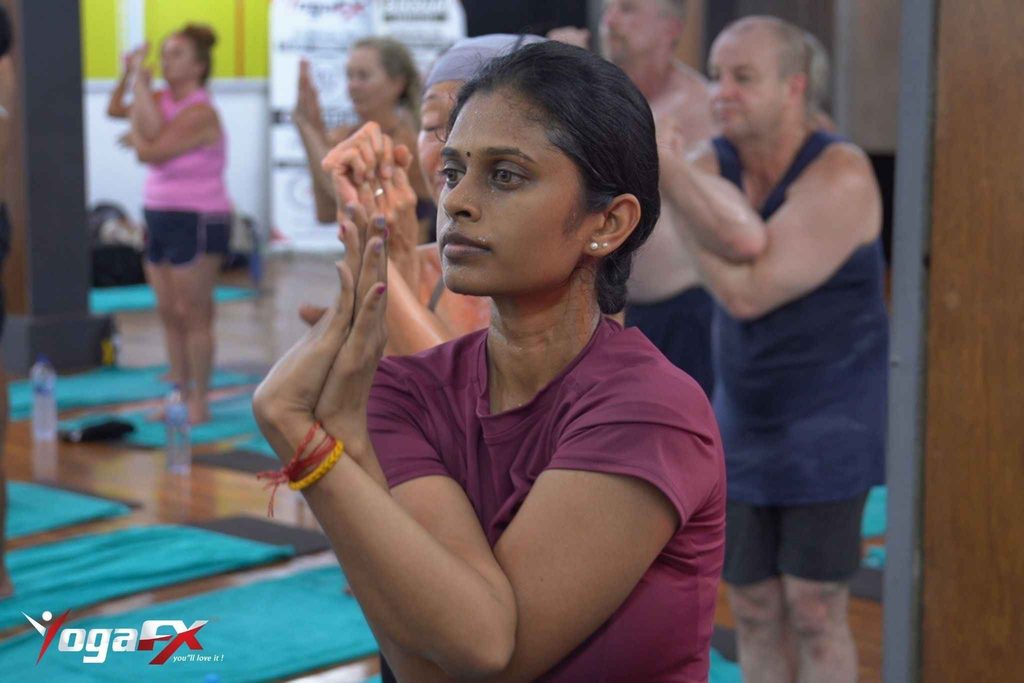
Teaching studio classes alone rarely becomes a full income on its own, which is why almost every yoga teacher who supports themselves long-term does it through a mix of revenue streams rather than one job. The common combinations include:
- Private and semi-private clients. One-on-one sessions typically pay several times a studio class rate, and a small roster of five to ten regular private clients can outweigh an entire week of group classes.
- Workshops and specialty events. A themed two-hour workshop, on backbends, breathwork, or a specific injury population, commands a premium price and builds an instructor's reputation as a specialist rather than a generalist.
- Retreats. Co-leading or eventually leading a retreat, whether locally or internationally, both pays well per day and builds the kind of following that supports every other income stream.
- Corporate and private studio contracts. Recurring contracts with a company wellness programme or a private studio membership base provide the closest thing to a stable base income in an otherwise freelance-heavy field.
- Online content and virtual classes. A smaller but growing share of instructors build recurring income through recorded courses or live virtual sessions, which scale beyond the physical capacity of any single room.
Instructors who reach a genuinely sustainable full-time income are almost always running three or more of these simultaneously, rather than depending on any single one.
The order in which they get added tends to matter less than most new teachers assume. Some build a private client base first because it pays better sooner; others land a corporate contract early through a personal connection and build everything else around that stability.
There is no single correct sequence, only the general pattern that relying on one income source, whatever it is, leaves a career fragile to a single studio closing, a single client relocating, or a single contract ending.
Stage 4: Leadership Roles
After several years of teaching and specializing, some instructors move into roles that shift the work from teaching classes to shaping how other people teach.
This stage typically includes becoming a studio manager or lead teacher, training toward E-RYT status once the required teaching hours accumulate, becoming a teacher trainer who helps run YTT programmes, or eventually opening a studio.
This is also the stage where national or international recognition becomes possible for instructors who reach the top of their specialization.
Mr. Ian Terry, E-RYT 500 and founder of YogaFX, represents close to a complete version of this trajectory: five years of training, from 2014 to 2019, directly with Bikram Choudhury, the founder of the Bikram Hot 26&2 method, more than 12,000 teaching hours across 1,500-plus graduates from over 80 countries, and an appointment in June 2026 as Master Trainer of the Republic of Indonesia Yogasana Sports Federation. YogaFX, a major Hot 26&2 (Bikram) yoga teacher training academy, is based in Bali.
That appointment did not happen because of a single credential. It happened at the end of a specific sequence: years of consistent teaching, method-specific specialization, then training other teachers, then eventually being recognised at a national federation level.
Not every teacher wants or needs to reach this stage, and that is a genuinely fine outcome.
Plenty of instructors build satisfying, sustainable careers staying in Stage 2 or 3 for their entire working life, teaching a full class roster and a steady private client base without ever opening a studio or training other teachers.
Leadership roles are one branch of the path, not the only definition of success on it.
What tends to separate teachers who eventually do move into studio ownership or teacher training from those who don't is less about talent and more about whether they treated each earlier stage as a deliberate skill-building phase, learning not just how to teach a class well but how to run a business, manage other people, and communicate a method clearly enough that someone else could learn to teach it too.
Where Dual Certification Fits Into the Path
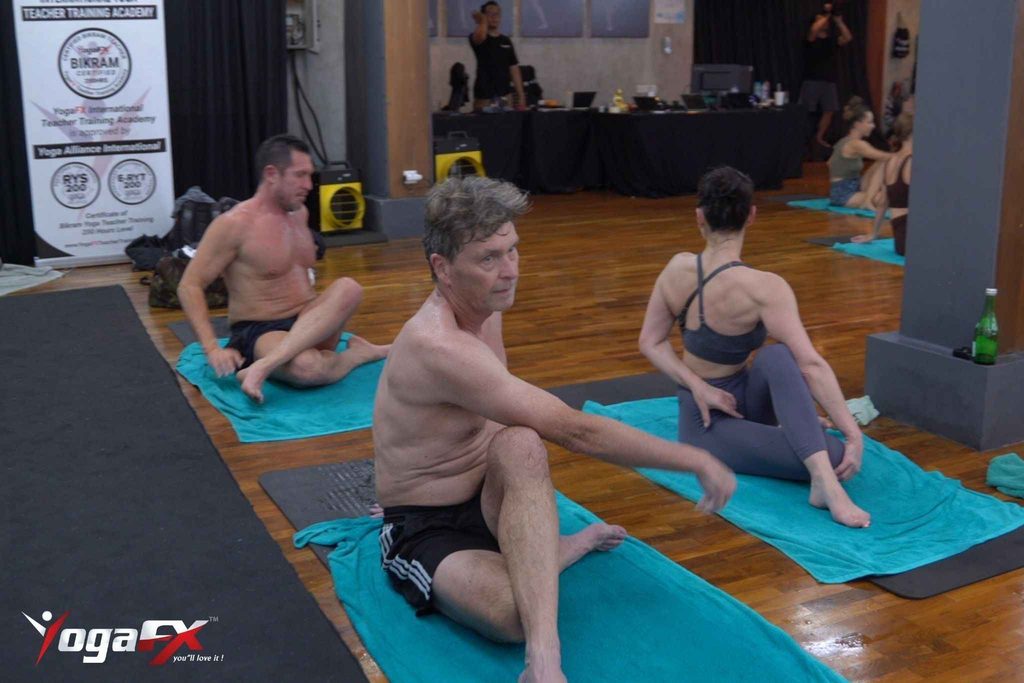
The specialization decision in Stage 2 is where most teachers either accelerate or stall their own trajectory, and it is worth making deliberately rather than defaulting to whatever advanced training happens to be nearby. YogaFX pairs the Yoga Alliance RYT 200 registration with the Bikram Hot 26&2 certification in a single six-day hybrid intensive in Seminyak, Bali.
Graduates leave with both a portable, internationally recognised credential and a method-specific specialization already built in, rather than needing to add that specialization as a separate step years later, which is the sequencing gap that slows down a large share of teachers who start as generalists and only decide to specialize after several years of plateaued income.
If you are earlier in the path and want the full breakdown of what becoming certified looks like from the very start, our guide on how to become a Bikram yoga teacher covers the enrollment-to-teaching timeline in detail.
If you're weighing whether now is the right moment to start down this path, or to add a method-specific specialization to teaching you already do, the fastest way to think it through is a short readiness check rather than a long research spiral: take the two-minute readiness quiz.
FAQ
Is being a yoga teacher a good career?
It can be, but rarely as a single job teaching one set of studio classes. Instructors who build a sustainable career typically combine studio teaching with private clients, workshops, and eventually specialization or leadership roles over several years, rather than expecting one revenue stream to support them from month one.
Can you make a living as a yoga teacher?
Yes, but it usually requires diversifying beyond studio classes alone. Teachers who reach a full-time, sustainable income typically combine group classes with private sessions, workshops, retreats, or corporate contracts rather than relying on a single income source.
What comes after RYT 200 in a yoga teaching career?
Most teachers spend the first six to twelve months building classroom experience through subbing and community classes, then move toward specialization, whether that's RYT 500, a therapeutic focus, or a method-specific certification, once they have a consistent teaching base.
Do yoga teachers need a specialization to advance?
Not strictly, but specialization tends to accelerate a career meaningfully. A method-specific credential, such as a heated fixed-sequence certification, typically opens more studio types and commands higher per-class rates than a generalist RYT 200 alone.
How long does it take to become a full-time yoga teacher?
Most instructors who reach a genuinely sustainable full-time income take two to five years, building through the base-teaching, specialization, and diversification stages in sequence rather than all at once.